An example of a natural female nose at the end of the operation

An example of a natural female nose at the end of the operation :

An example of a natural female nose at the end of the operation :

Nasal tampons are the same sterile gauze that is cut into certain dimensions.. Continuation of the ointment Tetrasacline They are used and struck on sterile gas.
Changes made to tampons . It has been in their size. In fact, in the past, the size of these tampons was very large . And when it was placed inside the nose, it covered all the inner parts of the nose. As a result, due to the large size of these tampons, what happened . This was when the tampons were removed, causing pain that sometimes bored people.
But over time, doctors concluded . By reducing the size of tampons, you can reduce the amount of pain that people experience when removing tampons.. Hence the incisions made on sterile gauze are few.

The fact is that the tampons have three major advantages when they are placed inside the nose:
First, tampons prevent any bleeding. In fact, because nosebleeds are normal after rhinoplasty, tampons help reduce the amount of bleeding..
The second advantage is because the structure of the nose is malleable after rhinoplasty . And soft is easily the possibility of a problem. Therefore, when these tampons are placed inside the nose, they increase the strength of the nose and cause better formation of the nasal bone..
On the other hand, tampons strengthen the septum of the nose. First, tampons prevent any bleeding . But this time the placement of the tampon inside the nose is different in different people. In fact, after the necessary examinations, the surgeon determines . How long should these tampons be inserted into the nose?.
Therefore, it is better to listen to your doctor's advice . And exactly the same number of days as prescribed by a doctor جراح بینی Set to use a tampon.

Nasal polyps are caused by the unbalanced growth of cells in the nasal mucosa. Nasal polyps are lumps that interfere with the intersection of the nose, cheeks, and eyes with impaired breathing..
Some people suffer from stuffy and stuffy airways without catching a cold. This can be due to the growth and presence of polyps in their nasal airways. Polyps are benign masses that grow in the inner wall of the nose and in the paranasal sinuses..
It is interesting to know that most people have nasal polyps and have it in their nasal passages. But it may be small in size and not a problem for the person. In some, it increases in size and blocks the airway.
People at a close age can experience nasal polyps and men 4 Are more likely than women to affect the complication. The presence of certain factors in people increases the risk of developing polyps in the nose. In addition to genetics, asthma, hay fever, allergies, sinus infections and in some cases drug allergies can predispose people to nasal polyps.. Nasal polyps can cause dryness of the airways.
The thing about this complication is that they have no nerves and no matter what size they are, you will never feel them in your nose.. How do we find out about polyps?
This complication causes problems for the person if it grows. These problems can include the following::
Tell your doctor if you have any of these symptoms that cause a cold جراح بینی See a doctor for tests to diagnose polyps.
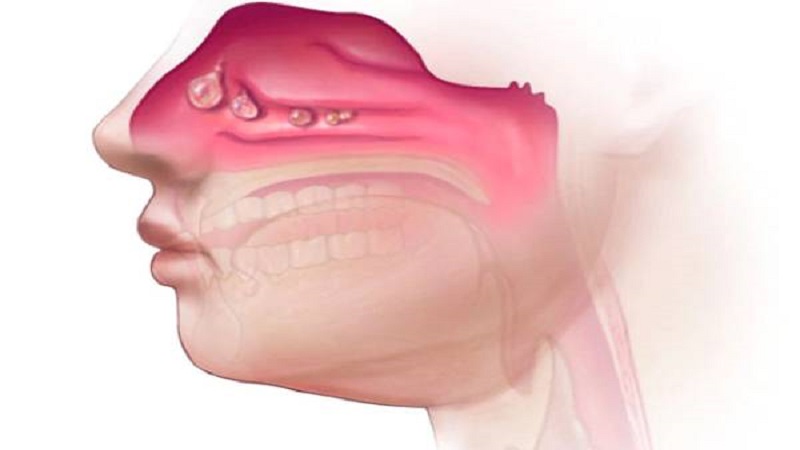
As mentioned, polyps can be small and not cause a problem. One of the effective treatments for nasal polyps is treatment of the causative agent. For example, allergy control, treatment of sinusitis and treatment of sinuses can prevent the regrowth of polyps. Medication and surgery are also methods of treating polyps.. Because polyps are reversible, surgery is usually not recommended and medication is a better option.
In pharmacotherapy, sprays and drugs are used with a doctor's examination and according to the size and condition of the polyp. The main ingredient used in medicines and sprays is corticosteroids, which have anti-inflammatory properties and are used to reduce swelling and inflammation. With the use of these drugs, the size of polyps is greatly reduced and sometimes they disappear.. Nasal drops are also available for treatment, but for some reason, excessive use of nasal drops is not recommended.
If, despite all the steps taken to remove or shrink the polyps, the person still has respiratory problems and other symptoms, there is no other way but to have surgery and complete removal of the polyps.. However, polyps are reversible and can recur after surgery.
This surgery is a very good option for people with chronic sinusitis because it helps to open the airway.. Depending on the size of the polyps, rhinoplasty can be performed in two forms: polypectomy and endoscopic surgery for larger polyps..
If the polyps are small, polyps and rhinoplasty can be performed together. However, if they are large, this is not recommended because of the possibility of nasal deformity due to the return of polyps.
Read more :

If you also have allergies, you should definitely know the symptoms like: How does sneezing, stuffy nose and constant runny eyes and nose feel at night?. Every year, many people with allergies look for a way to relieve the symptoms of the disease through various means such as taking oral medications or preventing the causes of allergies.. If you have suffered from seasonal allergies for many years, you may be surprised to hear that there are many permanent solutions to treat this condition.. Treating allergies with rhinoplasty may not be the cure for allergies, but by correcting other problems related to the nose and the structure of the nose, it will have a significant effect on relieving allergy symptoms..
Before prescribing treatment for allergy and sinus problems, it is best to see a sinusologist and diagnose the exact cause of the disease. Chronic sinusitis appears to resemble allergies. Sinusitis is just as common as allergies. Although the symptoms of these two diseases are different, they both interfere with work and personal life to the same extent.. For example, people with allergies often have runny nose, itchy eyes, and congestion (Accumulation of blood and mucus in the nose) Suffer while people with sinusitis have symptoms such as shortness of breath and congestion. It should be noted that allergic disease may lead to inflammation of the sinuses and eventually sinusitis..
Although allergies can not be treated with methods such as balloon synoplasty, if they cause sinusitis, this method can treat sinusitis and relieve pain.. In some cases, the structure of the nasal passages and sinuses can lead to problems that are exacerbated by allergies.. For example, a deviated septum usually easily causes sinus blockage. The growth of mucus in the nasal passages can aggravate sinusitis. In some cases, allergy leads to fungal infection and eventually sinus swelling and blockage. The balloon sinuplasty treatment method helps to reduce the pain and pressure caused by sinusitis by opening the path of the sinuses.. During this minimally invasive surgery, the doctor injects a small balloon catheter into the patient's nose and when the balloon bursts, the airway is opened and the sinuses are completely drained.. With this surgery, the symptoms associated with sinusitis such as pressure behind the eyes, headache and toothache are reduced in the patient.

In some cases, people may also have a deviated septum problem in addition to allergy symptoms. The septum is a piece of cartilage that closes the nasal passage 2 The section divides. Ideally, the septum should not deviate to just one side. When a person has a deviated nose, the septum deviates to one side from the center of the nose and leads to obstruction of the passage of air in the nose.. Although septum deviation does not always need treatment, if this deviation is so much that it causes obstruction of the nasal passage, it leads to swelling, breathing disorder and congestion.. Symptoms of deviated septum may be similar to allergy symptoms. It should be noted that septal deviation does not cause allergies and its treatment does not cure allergies. But septoplasty will help to reduce swelling and breathing problems by correcting the problem of septum deviation.
Rhinoplasty or rhinoplasty, like sinus surgery or septoplasty, will have no effect on allergy treatment.. But this method, like other nasal surgeries, improves breathing by improving nasal function. Although the emphasis of sinus surgery and septoplasty is to improve the function of the nose, rhinoplasty improves the appearance of the nose more.. Through rhinoplasty, problems such as a hump of the nose or nasal structures can be corrected. After rhinoplasty, the patient usually feels congestion or congestion in the nose, which can aggravate the symptoms of allergies.. For this reason, it is usually recommended to control and treat allergies before any type of rhinoplasty.
Allergies can be tolerated to some extent through surgery and by correcting the structural problems of the nose. But the best way is to prevent the occurrence of allergies or control the symptoms that lead to allergies. Of course, it is always easier said than done. Controlling allergies is not easy, especially when we are exposed to pollens or allergens.. Over-the-counter medications reduce allergy symptoms by reducing the immune system's response to allergies. In some cases, your doctor may recommend immunotherapy. During this method, by increasing the body's resistance against the specific allergen, allergy symptoms will decrease over time.
If you have acute allergies, or your allergies are mild and under control, or if you still have respiratory problems and feel nasal congestion, rhinoplasty is the best treatment option to choose for allergy treatment.. In such a situation, a facial cosmetic surgeon with expertise in rhinoplasty and sinus surgery can determine the best treatment option for the patient.. We remind you again that allergies cannot be cured by nose surgery, but it helps the patient cope with seasonal allergies more easily..

Many conditions change with age, but you may be surprised to learn that even our noses change with age. Even if you are relatively satisfied with the appearance of your nose, its shape and size can change with age, and you may look in the mirror and see a nose that looks larger, droopier, and wider.. This can change the look of your face, make your nose look more uncoordinated than other parts of your face, and make you look older..
Cartilage and bone provide a supportive framework for your nose, but over time, these structures begin to weaken and the tip of your nose may become wider.. This condition can also create a raised-like appearance on the bridge of the nose. The changes that occur may vary from person to person.. If you have cartilage that is harder and stiffer, you may not see changes that are very noticeable.
However, if you have softer cartilage, the appearance of your nose may change significantly. Softer cartilage can cause ptosis, which is when the tip of your nose is severely droopy. In some cases, a healthy nose can make it look like the tip of your nose is in your upper abdomen. It gets worse in women after menopause due to the loss of estrogen and the resulting weakening of the cartilage. So you lose the support that comes from the tip of the nose.
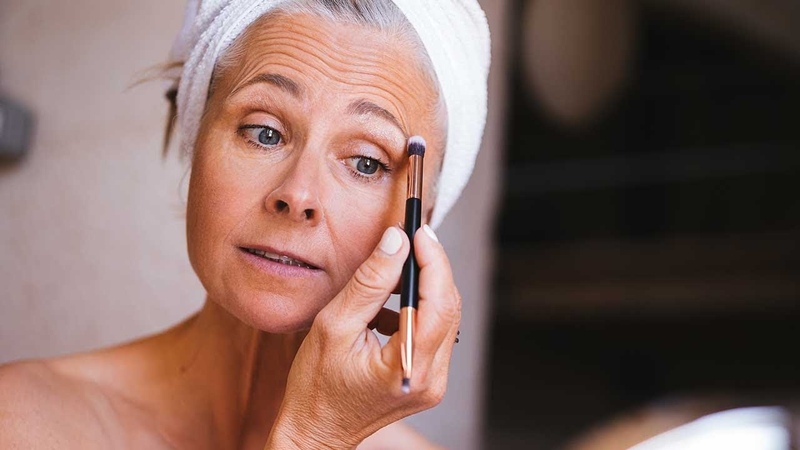
If a droopy nose makes you feel a bit older than you are and you want to regain a more youthful appearance, you may want to consider rhinoplasty.. This surgical procedure, also known as reduction rhinoplasty, can help flatten and provide support to the nose.. Depending on your personal needs and preferences, rhinoplasty for the nose as you age may include shrinking or relocating the lower lateral cartilage, using a graft to help lift and flatten your nose, and / Or use a cartilage graft to help lift and support the tip of the nose.
This can help prevent the nose from drooping again over time. Unlike many young patients who seek rhinoplasty to reduce the size or change the shape of their nose, most patients who apply for rhinoplasty due to aging and its effect on the overall appearance of the nose do not want to undergo a drastic change in shape. Create in your nose. These applicants are actually looking for a natural looking nose that is properly balanced with the rest of their face. Rhinoplasty in older patients can make a significant difference in their appearance and attitude. And if it is combined with other methods such as face lift, neck lift or eyelid surgery, it will have very good results..

Your doctor can usually diagnose a broken nose with an examination. If a person has pain or discomfort during the examination, the doctor may use an anesthetic to numb the affected area.. The doctor may ask the patient to return to the doctor for examination after two or three days after the swelling subsides.
A broken nose usually heals within a few days, but it may take a week or more for the pain and swelling to completely go away.. If the patient's nose injury appears to be severe or is accompanied by other facial injuries, the doctor may order a scan, X-ray, or CT scan.. They can help determine the extent of damage to the nose and face.
Medical treatment may not be necessary for minor fractures. However, an evaluation by a doctor is always needed to determine which treatment is best for the affected areas. Based on the amount of injuries to the nose, he chooses the best method of treatment.
In the problem of broken nose, two groups need surgery for treatment. The first category is people who have moderate to severe nose injuries. And the second group are people who have not been treated for two weeks after the injury. In both cases, the doctor may choose the surgical option. The purpose of the surgery is to return the nasal bone to its proper place and, if necessary, change the shape of the nose to its correct form.

In such cases, septorhinoplasty can be performed. Which is both a nose job and a rhinoplasty. Rhinoplasty and septoplasty usually 3 Eli 10 It is not done the day after the injury and before the swelling decreases. Surgery is performed when 14 The day has passed since the nose injury. Pain and discomfort caused by surgery must go through 72 Hours after the operation, start to decrease. In many cases, the patient can go home the day of the operation. But he may have to stay home for about a week due to swelling and bruising.
If the doctor determines that there is no need for surgery. And over 2 A week has not passed since the injury. Treatment can be done. During this simple operation, the doctor returns the broken and damaged bones to their original location in the office.. If more than this time has passed, the injury may heal on its own. lead to bad fusion of the nose and the doctor recommends surgery instead of nose repair.
The doctor usually uses some anesthetic to numb the injured area . and puts the nasal bone in its correct place. May use a speculum and other medical tools to set broken bones and damaged cartilage. The doctor will place something like a splint inside the patient's nose. And he dresses it outside. This will keep the nose in place. Some antibiotics will also be prescribed to prevent infection.
While the broken nose is healing, it is recommended to avoid activities that could further injure it, such as games and contact sports..

How to diagnose a broken nose? Nasal fractures often occur in the bone or cartilage above the bridge and sometimes in the septum. It should be noted that the septum is a structure that divides the nostrils. Because the nose is in the center of the face, it is more vulnerable if a blow is applied to the face. Sometimes people's noses may be damaged or broken due to accidents such as traffic accidents, falling from a height, violent contact with hard objects and surfaces, contact sports, or even fights, which are the most common causes of broken noses.. It should be noted that it is not possible to diagnose a broken nose by people simply by observing the appearance, and this diagnosis is better to be made by a doctor after conducting examinations..
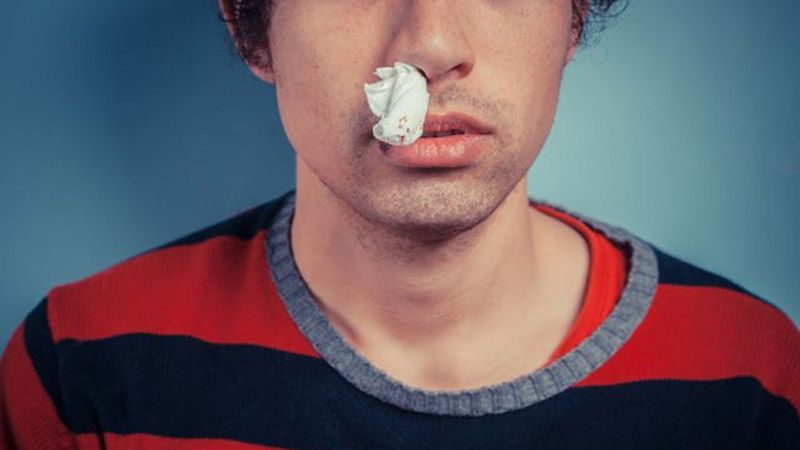
A broken nose can happen to anyone. Some activities and factors that can increase the risk of nasal fracture. as follows:
Regardless of the injuries caused by the participation of people in sports and physical activities, children and the elderly are two groups that are more at risk of fractures than other people.. Bone health is a major concern in both groups, and falls are common among them. Toddlers and young children are at a higher risk for nasal fractures because the bony mass of their nose is not yet fully formed.. Symptoms that require immediate medical treatment in a broken nose

Here are some of the reasons why a person may have an increased sensitivity to smell:
A number of studies have reported an association between various medical conditions and hyperosmia, including Lyme disease, migraine, body fluid disorders, autoimmune disease, epilepsy, Parkinson's, hormone deficiency, and certain medications.. Although it is not fully understood what causes high blood pressure in these cases, it may be the effect these diseases have on the body's electrolytes, thus affecting the signals produced in the olfactory receptors..
One of the most common causes of hyperosmia is pregnancy. One of the early symptoms of pregnancy is an increased sense of smell. This can cause headaches, nausea, and vomiting during the morning sickness of the first trimester. Symptoms often fade as the pregnancy progresses and usually go away after birth..

More research needs to be done on its causes and possible treatments.
For successful and long-term treatment of hyperosmia, it is necessary to determine the main cause and exact symptoms of the patient. For example, if a polyp or tumor causes hyperosmia, surgical removal may reduce symptoms. When migraines are the underlying cause, migraine medications can help treat high blood pressure. Migraine medications can also prevent migraines as a result of hyperosmosis.
If you can identify and treat the underlying cause of your hyperosmosis, your long-term outlook looks good. You should be able to make a full recovery. Some people are triggered by certain foods. Others cannot tolerate the smell of perfume or chemicals. In the meantime, be exposed to the irritating smell as much as possible. Try to track what kinds of smells cause you the most trouble. If you experience symptoms of depression or anxiety as a result of this illness, make an appointment with a counselor for an appointment. Primary therapy should reduce your sensitivity to odor..
If you have hyperosmia, chewing peppermint gum can help you get as far away from the irritating smell as you can..
Antiemetics are useful to help control nausea in these patients.
In few cases, surgery is needed to treat this disease. This work will cause the function of the olfactory nerve to be weak, and as a result, the sensitivity to smell will decrease..

People with mild anemia may have no or only mild symptoms. Anemia may cause symptoms including the following:
Symptoms may vary based on the cause of the anemia. A blood test is required to confirm anemia.

If the anemia is mild and the patient does not have a contraindication to anesthesia or surgery, yes, rhinoplasty may be performed.. In the operation of the nose (رینوپلاستی) The risk of excessive bleeding is relatively low. Therefore, it is very likely that you can undergo surgery. However, determining the level of anemia and your health is very important. See a plastic or otolaryngologist for a consultation and be prepared to discuss your anemia.
Drugs that stimulate the production of red blood cells are approved to treat anemia before surgery, and these drugs reduce blood transfusions in anemic patients whose surgery causes a lot of blood loss.. These drugs work best when given several weeks before surgery, so identifying, evaluating, and treating anemia as soon as possible before surgery is critical.. Your doctor may also prescribe other treatments based on what is causing your anemia
There are also simple ways to stimulate hematopoiesis in the body. As:

The most common complication is spotting or partial bleeding. There will also be mild pain or discomfort that your doctor may prescribe painkillers to control. These side effects usually go away in a day or two. Otherwise, it may be necessary to repeat the nasal vein burn procedure. Other side effects, although rare, include a negative or allergic reaction to the anesthetic and infection..

You need to remember to avoid over-burning your nasal arteries. Doing this method many times over a period of time will cause more damage. Burning of the nasal veins should be done with caution and should not be used every time a person has nosebleeds.. Nasal bleeding is easy to control. Bleeding can be controlled by placing a cold compress on the bridge of the nose. In many cases, sitting and bending forward or pressing the edge of the nose until the bleeding stops will be effective.. Doctors recommend that nasal vein burning should be done in one of the cavities and in separate sessions.. Frequent burning of the nasal vein or doing it in both cavities in one session can weaken the nose and create holes inside it.. These holes usually form in the nasal septum and will remain permanent after formation.. Holes in the nose lead to bleeding, sinus infections, decreased cold resistance, and respiratory problems..


