Rhinoplasty in military service

Rhinoplasty in military service

Rhinoplasty in military service

During military service, all soldiers are covered by armed forces insurance. Now we want to know if this insurance covers rhinoplasty in military service? Is the soldier given to a soldier to rest and recover after rhinoplasty? To answer these questions, read this article on Dr. Majid Rasti's website Of nose surgery follow.

People who decide to have rhinoplasty in the military should keep in mind that you need to rest for about two weeks after rhinoplasty and you should use leave or sick leave so that the nose is not stressed while performing your duties. Of course, this is for friends who do office work during the service and not heavy work.
If you do heavy work during your service, you must perform rhinoplasty either after the end of your service, or at least six months have passed since your nose surgery, and then enlist in the army..

Rhinoplasty in military service | Of nose surgery

Sick leave in the military

It is important for all soldiers to take sick leave during their military service. Because every soldier can have 30 days of sick leave during his military service. For this reason, there are some who perform cosmetic surgery during their military service due to the use of sick leave..

Rhinoplasty requires you to rest at home for a week to get a relative physical recovery. So that you can return to your normal activities. If your military service duties do not put pressure on your newly operated nose. Like office work, you can take a week off after rhinoplasty. But if you have heavy and physical tasks, you can have sick leave for up to 2 weeks after the nose job..

Note if your tasks are related to lifting heavy objects. Even after 2 weeks of sick leave, you need to inform your commander of the danger of lifting heavy objects on his nose so that if possible, they will exempt you from this duty for a while..

Is it possible to perform rhinoplasty in the military with the insurance book of the Armed Forces?

The Armed Forces Insurance Booklet is for contracted medical centers only. And have established centers for soldiers and cadres of the armed forces, including hospitals, clinics, clinics and. So if a soldier is bored. Can use these centers. Most doctors, however, perform rhinoplasty at private medical centers. So, these centers are definitely not parties to the contract with all the armed forces. In the centers covered by the Armed Forces insurance, corrective surgeries are given for the nose. Such as nasal deviation or nasal polyps. But rhinoplasty is not covered by Armed Forces insurance. So if you have problems such as nasal deviation or nasal polyps, you can have a nose operation with the Armed Forces Insurance Booklet and do not pay for it..

|Click here to enter Dr. Majid Rasti's Instagram page|

Can rhinoplasty be performed again after rhinoplasty?

In answer to this question, we must inform that those who have had surgery on their nose to correct problems such as nasal deviation or nasal polyps can reapply for rhinoplasty.. In this case, naturally, if there is no deviation of the nose or nasal polyps, the cost of rhinoplasty will be reduced.


Suggested content :

How to perform tayammum and ghusl after rhinoplasty

Solarium and sunbathing after rhinoplasty

How to pray after rhinoplasty

Recurrence of nasal hump after surgery

Recurrence of nasal hump after surgery

Recurrence of nasal hump after surgery

Many people are dissatisfied with the appearance of their nose and resort to rhinoplasty surgeries. The most common cause of dissatisfaction in people is the presence of a hump on the nose. Recurrence of nasal hump after surgery is possible and it cannot be said 100% that it will not return.

The final diagnosis of nasal hump is made by a doctor and there are several ways to treat nasal hump. The nasal hump is located at the junction of bone and cartilage behind the nose. And because of this, people undergo surgery to create fit in their facial features.

Contrary to popular belief, hump is not a type and the final and definitive diagnosis is possible only by a doctor. Nasal hump can be severe, mild, latent or false. Depending on the type of nasal hump, the treatment offered is different and the most common treatment offered is rhinoplasty..

Does the nasal hump come back after rhinoplasty?

Recurrence of nasal hump after surgery is possible and it cannot be said 100% that it will not return.

In some cases, we see that the nose becomes calloused after the surgery. This is due to the reaction of the nasal bone to the injury in the surgery and as a result it will gradually thicken. And this gives people the impression that the nasal hump is back.

Of course, it must be said that nasal hump will never return as much as before surgery. And nasal hump will not be completely reversible after rhinoplasty.

Applicants for rhinoplasty should be aware that this is sometimes possible. Due to swelling and callus formation in the structure of the nose, we see a small amount of irregularity in the bridge of the nose.

Of nose surgery | Recurrence of nasal hump after rhinoplasty
Return the nose to the preoperative state

If after rhinoplasty surgery, the person's nose changes a lot and loses its postoperative state. In this case, the surgeon recommends rhinoplasty. Rhinoplasty is a process that has a special complexity and requires special skills and abilities from the surgeon. Because in this surgery, the doctor will deal with a weakened nasal structure, and in this surgeon, the person must consider. This operation may leave surgical scars.

If the nasal hump returns after cosmetic surgery. Recommended before deciding for nose reconstructive surgery 6 تا 12 Wait a month after the initial surgery. Often the callus that forms or the swelling in the bony part of the nose, which makes people think this. When the nasal hump is back, it goes away on its own.

In fleshy noses that have undergone rhinoplasty, because the nasal skin is thicker. Swelling after surgery takes longer to go away, giving the patient the impression that the nasal hump has returned after cosmetic surgery.. Although the nose is less likely to become larger after rhinoplasty. Or other changes, but there are other things that can happen after rhinoplasty.

Factors influencing the return of nasal hump after cosmetic surgery

There are many factors involved in the return of nasal hump after cosmetic surgery. And their role in the return of the nose after rhinoplasty can not be ignored.

Factors influencing the return of nasal hump after surgery include the following?

Age

Applicants for rhinoplasty at an early age should consider. After years of adolescence, the nose continues to grow. The fact is that rhinoplasty is performed when it is performed on a teenager. It is likely to occur with changes that cause nasal deformity. In some adolescents, the nose continues to grow after surgery. But in others, the nose does not grow after surgery and there is no change as a result of the surgery. There are many surgeons who are reluctant to perform rhinoplasty at an early age.

Unforeseen probabilities in the return of nasal hump after surgery

The results of rhinoplasty should, in principle, be permanent and irreversible, and there is no 100% guarantee that there will be no relapse.. This reversal may be due to structural problems or factors such as illness or injury. Plastic surgeons are not in control of all cases and things happen to patients and they experience problems, and this happens more often in older people.. This condition causes the structure of the nose to deform, which in turn leads to the growth of the nose after rhinoplasty.. It is very important that the rhinosurgeon is very skilled and trained.

Is the nasal hump made of bone?

Only 10 The percentage of the possibility of returning the nose remains after surgery and the rest will be eliminated by gluing the nose and massaging the nose.. Because the nasal bone is shaved, it causes this bulge to form, and shaving at this point causes callus formation, and this callus disappears over time, so it can be said that it is not permanent..


دکتر مجید راستی

Of nose surgery

Click to follow the latest educational content and office news on Dr. Majid Rasti's Isfahan Rhinoplasty Instagram page.


Suggested content :

Learn how to sleep after a nose job !

The importance of proper nutrition after rhinoplasty

جراحی بینی مردان

The effect of drinking alcohol on rhinoplasty

Weight loss after rhinoplasty

Rhinoplasty and colds

Use of ice after rhinoplasty

Dental composite after rhinoplasty

The best time for rhinoplasty

Application of splints in rhinoplasty

Application of splints in rhinoplasty

Application of splints in rhinoplasty

In fact, a nasal splint or nasal cast is actually a plastic splint. Which protects your nose and helps the bones and cartilage of the nose. Do not move until repaired. The use of splints in rhinoplasty is important because it can protect the nose from damage.

When rhinoplasty is performed, nasal splints or casts are used to further maintain the shape and appearance of the nose. . Nasal splints can also be used to reduce swelling and maintain bone position after rhinoplasty.. . In fact, the use of nasal plaster after rhinoplasty is mandatory for the patient. . Use of splints in rhinoplasty is an external splint that can. As a result, rhinoplasty plays an important role. . In the first days after rhinoplasty, the nose is vulnerable. Using a splint can protect the nose from any damage.. .

Of nose surgery | Application of splints in rhinoplasty

There are two types of nasal splints:

External splint

Internal splint

Application Use of external splint

1-Swelling and swelling: Inflammation is reduced by the pressure that glue and plaster put on the nose.

2-Splint use in nasal surgery is effective in covering cartilage by nasal skin and the result will be more accurate..

3-If the splint is not used, there will be an empty space between the cartilage and the patient's skin. This empty space is a good substrate for connective tissue and hematoma.

4-Because in case of such cases, the result of the operation will be a lot of changes.

5-Protects the new shape of the nose: During nose surgery, the shape of the bones and cartilage changes. In order for these bones to remain in a new shape, it is necessary to use plaster.

6-Protects the incidence of injury in the nose:The use of splints in rhinoplasty protects against injuries. But this protection is not enough to allow the patient to engage in dangerous activities after the operation and still have to take care of his nose..

Purposes of using internal splints

In cases where the patient has a deviation or deviations in his nasal septum. An internal splint will be used. Nasal splint is made of silicone and has a soft structure.

1-Forcing the nose tissue to heal on the cartilage: Nasal splints or the same plaster is used on the inner nose after rhinoplasty. To be able to improve the inner lining of the nose on the inner body of the nose, which includes bones and cartilage.

2-Holding the nose blade (سپتوم): After rhinoplasty, the doctor uses an internal splint in cases where it is necessary to keep the septum fixed.

3-Reduce bleeding:Significantly reduces bleeding and swelling with the pressure that the splint puts on the skin and membranes..


دکتر مجید راستی

Of nose surgery

Click to follow the latest educational content and office news on Dr. Majid Rasti's Isfahan Rhinoplasty Instagram page.


Suggested content :

Learn how to sleep after a nose job !

The importance of proper nutrition after rhinoplasty

جراحی بینی مردان

The effect of drinking alcohol on rhinoplasty

Weight loss after rhinoplasty

Rhinoplasty and colds

Use of ice after rhinoplasty

Dental composite after rhinoplasty

Complications of rhinoplasty with grafts

Complications of rhinoplasty with grafts

Complications of rhinoplasty with grafts

Some complications of rhinoplasty with grafts :

1- تورم :

You should not be surprised if your nostrils swell after rhinoplasty and grafting . It is also associated with bruising, bleeding, and infection .
Nasal edema improves after a while and its appearance gradually changes over the months, so you 10 تا 12 The first month should not be very sensitive to your nose .

2- اسکار :

In some surgeries, a cut incision is made . It is called a scar instead of a wound . In some cases, the color of the scar may be slightly different from the color of the skin . To disappear these items around 6 تا 9 The month is required so don't worry .

Of nose surgery | Complications of rhinoplasty with grafts

3- Numbness in the tip of the nose

4-Asymmetry of the nose :

After surgery, asymmetry in the nose is one of the most common complications of rhinoplasty with grafts, which mostly occurs in the operation of noses that have deviations, so patients turn to the second operation of the nose. .

5- Delay in the recovery process :

In most cases, the patients' recovery process is a bit slow and this worries the patient . This is more common in people who smoke and people with chronic diseases .


6- Allergic reactions

7- Abnormal breathing :

In most cases, the patient may not be able to breathe normally after surgery. In these cases, he should use nasal sprays. .

8-Nasal septum problems

9- Oscar necrosis :

Scar necrosis means thickening, redness and tightening of the skin . This may happen to the part of the skin that is being cut . If the scar tissue is growing, do not worry at all, because they can be treated with steroid injections. .

10- Failure of skin graft

11- Dissatisfaction with the result of the action

The above is a complication of rhinoplasty .


دکتر مجید راستی

Of nose surgery

Click to follow the latest educational content and office news on Dr. Majid Rasti's Isfahan Rhinoplasty Instagram page.


Suggested content :

Learn how to sleep after a nose job !

The importance of proper nutrition after rhinoplasty

جراحی بینی مردان

The effect of drinking alcohol on rhinoplasty

Weight loss after rhinoplasty

Rhinoplasty and colds

Use of ice after rhinoplasty

Dental composite after rhinoplasty

What is nasal necrosis?

What is nasal necrosis?

What is nasal necrosis?

The problem of some patients after rhinoplasty is blackening of the nose or necrosis and these people are worried about the outcome of the surgery.. Of course, this complication is a very rare problem due to underlying disorders in the patient. In the following article, we will first introduce nasal necrosis and its causes, as well as its treatment and prevention. What is nasal necrosis? :

Nasal necrosis

Necrosis or darkening of the skin means the loss of living tissue, the amount of which depends on the size of the tissue. When, for any reason, the blood does not reach the tissues of the body and does not receive oxygen, it disappears and turns black.. Spot necrosis does not damage the nose, but if it reaches the nasal bone, it affects the outcome of surgery.

Of nose surgery | What is nasal necrosis?

What causes nasal necrosis after surgery?

Nasal necrosis after surgery may be due to one of the following reasons:

  • Vascular disorders
  • Intranasal infection
  • Side effects of injecting and taking Rakutan before rhinoplasty
  • Excessive manipulation and destruction of nasal tissue by the surgeon
  • Injecting a non-standard gel into the nose or large amounts in the wrong place
  • جراحی ترمیمی بینی
  • استعمال دخانیات

How can nasal necrosis be prevented?

The only way to prevent nasal necrosis after rhinoplasty is to remove the layer of fat from the patient's skin correctly, because too much of it will disrupt the blood supply to the nasal skin and the pressure from the splint and glue will cause nasal necrosis..

What is the treatment for nasal necrosis?

Treatment of necrosis depending on the damaged tissue may be complicated and the patient may have several surgeries. The surgeon tries to replace the necrotic tissue with normal body tissue and uses other parts of the body such as the ear cartilage or rib cartilage.. In some acute cases, if a large part of the nose is lost, the surgeon will replace it with a prosthesis. Of course, there are some conditions for using a prosthesis, and that is that the injured area is completely repaired and the nose is not infected.. Any change in color and blackness of the skin does not mean necrosis, but sometimes this complication is due to anemia and temporary, and the necrotic tissue is gradually repaired..

In general, it is necessary to wait to determine the extent of necrosis, and if the vessel is under pressure, this pressure should be removed with reconstructive surgery..


دکتر مجید راستی

Of nose surgery

Click to follow the latest educational content and office news on Dr. Majid Rasti's Isfahan Rhinoplasty Instagram page.


Suggested content :

Learn how to sleep after a nose job !

The importance of proper nutrition after rhinoplasty

جراحی بینی مردان

The effect of drinking alcohol on rhinoplasty

Weight loss after rhinoplasty

Rhinoplasty and colds

Use of ice after rhinoplasty

Dental composite after rhinoplasty

Redness of the eyes after rhinoplasty

Treatment of nasal hump after rhinoplasty

Correction of nasal fins in nasal surgery

Nasal adhesions after nasal surgery

Correction of nasal fins in nasal surgery

Correction of nasal fins in nasal surgery

Correction of nasal fins in nasal surgery

Despite the fact that the bridge of the nose attracts the most attention in connection with plastic surgery of the nose. Nostrils can have the greatest impact on your appearance. It is important to remember this point. Sometimes a person may have large or dilated nostrils. Some people may have narrow nostrils and as a result cannot breathe well. Asymmetric or unequal nostrils are another concern. And it is a common occurrence in cases of injury or trauma to the nose. In addition, because all these factors also affect the appearance of the face. Aesthetic defects of nostrils can also lead to shyness. This is where the rhinoplasty surgeon comes in and can help by correcting the nose blades in the surgery.

In examining the shape of the nostril from the bottom view, it is clear that from the side of the lower external cartilages, the anterior nasal blade, the terminal septum, the maxilla, the upper lip, the skin and the soft tissue covering the nose, all participate in the appearance of the nose.. Creating changes or differences in each of these structural components of the nose or their connections may change the appearance and attractiveness of the nostrils and ultimately affect the function of the nose.. Lower external cartilages(LLC) It is necessary to determine the location of the tip of the nose and the shape of the nostrils.

Each LLC is made up of 3 pikes :

Internal, middle, external(Image above). Each of these components consists of two parts. The inner pike is divided into flat and columnar parts. Angularization of the flat part occurs from the inside to the outside and also from the front to the back. The columnar part is favorably inclined to the vertical position and is mainly responsible for the length of the nostril and the protrusion of the tip of the nose. The axis of the nasal wings is essential for surgical planning. 3 There are different Bali axis type: Divergent, direct, convergent. Reduction of the base of the nose should not happen in patients with convergent nose. While raising the tip of the nose in the lower view, to 7 The component is divided. In addition, the width of the nose, the prominence of the tip of the nose, the shape of the nose blades and the symmetry are best enhanced from the bottom view..

Advantages of rhinoplasty

Unlike a type of rhinoplasty that involves the bridge of the nose or the back parts of the nose. Working on the nostrils is done very little. In fact, your doctor will try to make all incisions and slits inside the nose to avoid visible wounds. Even if he needs to make incisions outside the nose. These incisions are much less noticeable than the incisions made in other parts of the nose in rhinoplasty.. In addition, relative rhinoplasty requires less time to repair bleeding and swelling than complete rhinoplasty..

Continuing advances in rhinoplasty methods have made its results look more natural. And it takes less time to repair. And the amount of bruising and swelling after surgery is also less. If you are looking to improve the appearance of your nostrils and the tip of your nose. Rhinoplasty is the right choice for you.

Surgical techniques

When it is decided to use a suitable surgical method to improve the position of the tip of the nose and the shape of the nostril. The structures that caused the deformity of the nostrils and tip of the nose should be taken into consideration. For descriptive purposes, methods are described as personal or individual techniques. However, several methods may be required simultaneously to achieve the desired appearance and satisfactory aesthetics as well as suitable functional results.. In rhinoplasty surgery, function and beauty define the purpose of the surgery, and the anatomy and structure of the nose determine the surgical method..

Of nose surgery | Correction of nasal fins in nasal surgery

Correction of nasal lobes in surgery

The base and lower surface of the nose

In order to change the base of the nose, it is necessary to determine the location of the base of the nostrils as well as the threshold and base of the nostrils.. The most noticeable deformity of this area is related to the gap between the lips and nose. The severity of the deformity of the nose is proportional to the severity of the deformity of the cleft lip. The structural and anatomical features of unilateral cleft lip deformity have been well described. Several methods that use open and closed rhinoplasty techniques. It is explained in this article. By closing the cleft lip deformity using the Maillard technique, satisfactory correction of lip and nasal deformities is sometimes possible..

Reconstruction of the tip of the nose often requires the transfer of tissue from that area. Differences in the thickness of the skin, which is effective in fixing and reconstructing the defect, may cause the formation of excess tissue mass and narrowing of the nostrils.. In cases where the narrowing of the base of the nose is caused by trauma, the cutting of malignant tumors or injuries caused by the doctor's work, mixed and composite grafts work well.. Connecting the cartilage of the ear and the skin in the shape of a triangle can be done in the floor of the nose in order to correct the deformity.

inner wall

Basically, changing the structure of the inner wall is done by adding or manipulating the end part of the caudal part of the nasal bridge, the middle pikes and the anterior nasal blade.. Fin and caudal deformities alone can cause major abnormalities in the shape of the nostrils along with obstruction in the nasal airway.. Mild precaudal deformities can be easily corrected by septoplasty. In case of severe deformities of the tail end, closed rhinoplasty may be required.

external wall

Basically, external wall abnormalities are related to structural abnormalities and lack of external pike or the presence of extra tissue in the nose.. Unlike deformities of the base of the nose, which usually affect beauty more, external wall abnormalities can cause significant functional impairment.. In the position of the fins lying on top of each other, the nostrils tend to be vertical and are also narrow. Partial or complete obstruction of the nostrils may occur during nose surgery. To correct this situation, it is possible to use the winged roof connection using the techniques of moving, strengthening and replacing the lower part of the external wall.. This is the best option when dealing with certain noses that may have thick nasal bridge skin and wide nostrils.

Shrinking the nostrils

In nostril reduction, the surgeon carefully removes the small triangular part of the base tissue of the nostril. to narrow the lower part of the nose; At the same time, the natural appearance of the nose is preserved. The surgeon can perform rhinoplasty not from the part where the nostrils connect to the cheek. Rather, it should be done from the inner part of the nostril. If the incision is made to shrink the nostril on the outer surface of the nose. His scar may be visible. Some surgeons prefer to use a method called weir incision to hide the wound inside the nostril. This technique narrows the base of the nostril. It reduces the length of the nostril wall. And depending on the design of the cuts in the triangular area of ​​the nostril, it makes it smaller.

The right size of the nostrils after surgery is different for each person. This is because the purpose of this operation is to harmonize the new nose with the whole face(So called nose to face). You can calculate the approximate relative width of your nostrils by drawing two imaginary vertical lines from the inner border of each eye down to the outer side of your nose.. The distance between the lines is equal to the width of your nose. The lines that define where the outer borders of your nostrils should be. Shrinking the tip of the nose or bringing the tip of the nose closer to the face often causes. The nostrils should widen towards the cheeks. But weir cutting can reduce this expansion. These methods can also be used to shrink excessively large nostrils.


دکتر مجید راستی

Of nose surgery

Click to follow the latest educational content and office news on Dr. Majid Rasti's Isfahan Rhinoplasty Instagram page.


Suggested content :

Learn how to sleep after a nose job !

The importance of proper nutrition after rhinoplasty

جراحی بینی مردان

The effect of drinking alcohol on rhinoplasty

Weight loss after rhinoplasty

Rhinoplasty and colds

Use of ice after rhinoplasty

Dental composite after rhinoplasty

Redness of the eyes after rhinoplasty

Treatment of nasal hump after rhinoplasty
Treatment of nasal hump after rhinoplasty

Treatment of nasal hump after rhinoplasty

How to treat nasal congestion after rhinoplasty

Reconstructive surgery to treat nasal hump after rhinoplasty : Nasal hump after cosmetic surgery is less than the initial amount of nasal hump. Over time, with a nose massage, the nasal hump disappears after cosmetic surgery, and if it does not go away, the method suggested by the surgeon is reconstructive surgery, in which the surgeon cuts the cartilage grown in the septum of the nose and removes it. Takes.

What is osteotomy surgery?

Osteotomy is a type of surgery. Where a part of the patient's bone is cut by special tools.

Of course, it is normal for nasal congestion to occur during recovery. So do not worry about this and let the recovery period be complete.

Ways to treat nasal hump without surgery

The ways to treat nasal hump non-surgically are as follows:

لیزر

Many people think that laser is effective in relieving nasal congestion; But laser has no place in rhinoplasty. Laser can not change the tissue of the nose.

Nose lift with thread

In the thread lift method, the absorbable threads in the tip or nasal fins can compensate for the sagging of the nose tip.. Or reduced the bony shape of the nose.

لیفت بینی با نخ حدود 6 ماه ماندگاری دارد و بعد جذب کلاژن و الاستین در پوست می گردد.

Of nose surgery | Treatment of nasal hump after rhinoplasty

Injecting gel or fat into the nose

In this method of removing the nasal hump, fat or filler is injected around the protrusion of the nose. این روش نیز موقت است و تزریق ژل 6 ماه و تزریق چربی 2 سال ماندگاری دارد.

Scraping or rapping

Scraping or rapping is a procedure performed without anesthesia. In rapping, scratches are made on the hump and they are scraped on the hump with a serrated metal file.. This method has a number of limitations in beauty.

رینوپلاستی

Rhinoplasty is a permanent procedure performed under anesthesia in rhinoplasty. It requires more care than previous methods and requires more cost.

Ankle sprains are normal during nasal congestion. In general, after reconstructive surgery, the probability of recurrence of nasal hump is very low and rare.


دکتر مجید راستی

Of nose surgery

Click to follow the latest educational content and office news on Dr. Majid Rasti's Isfahan Rhinoplasty Instagram page.


Suggested content :

Learn how to sleep after a nose job !

The importance of proper nutrition after rhinoplasty

جراحی بینی مردان

The effect of drinking alcohol on rhinoplasty

Weight loss after rhinoplasty

Rhinoplasty and colds

Use of ice after rhinoplasty

Dental composite after rhinoplasty

Redness of the eyes after rhinoplasty

Use of ice after rhinoplasty

Use of ice after rhinoplasty

Use of ice after rhinoplasty

Basically, the use of ice not only after rhinoplasty but also in other medical disciplines is highly recommended and used for various reasons.. In a very important operation of the nose after the surgery and transfer to the ward, items such as initial feeding and use of ice after rhinoplasty should be done carefully and the patient should be very strict in performing these care items properly..

Why is it recommended to use ice after rhinoplasty?

Swelling and bruising in and around the nose, under the eyes and the whole face can be seen due to cutting the nose in different directions and also removing tissue and bone from inside the nose.. In such cases, the best and most effective solution is to use ice after rhinoplasty to reduce all these bruises and swellings in a completely gentle and regular way..

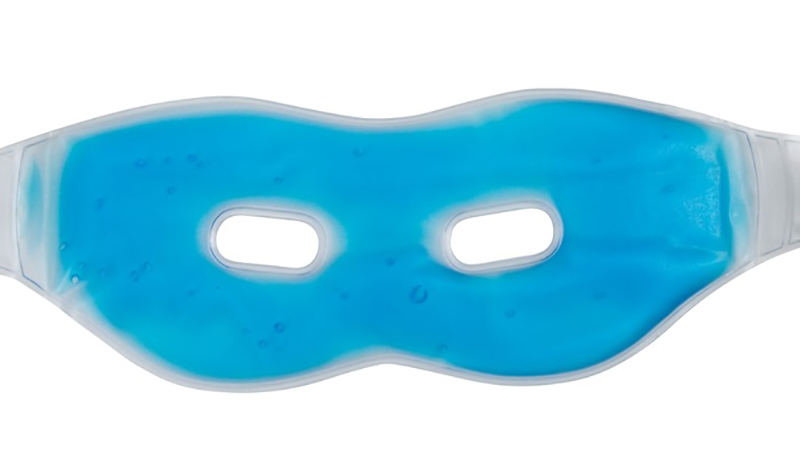
  • To use ice, pour some ice into a bag, or cloth, or nylon bag, and gently place it around the nose, face, and under the eyes, and do not squeeze..
  • Never put an ice pack on your nose.
  • Be careful not to damage the "splint" or plaster of the nose as it may cause strange changes in the shape and form of the nose..
  • Apply ice packs for 48 hours or 72 hours after surgery, approximately every 15 or 20 minutes to greatly normalize the condition of your face and nose..
  • Be sure to use ice after rhinoplasty with the help of another person because others will have more control over your face in such situations and will prevent possible injuries.

Of nose surgery | Use of ice after rhinoplasty


دکتر مجید راستی

Of nose surgery

Click to follow the latest educational content and office news on Dr. Majid Rasti's Isfahan Rhinoplasty Instagram page.


Suggested content :

Learn how to sleep after a nose job !

The importance of proper nutrition after rhinoplasty

جراحی بینی مردان

The effect of drinking alcohol on rhinoplasty

Eye swelling after rhinoplasty

Nasal and hypothyroidism

Rhinoplasty without anesthesia

Weight loss after rhinoplasty

Rhinoplasty and colds

Medications used after rhinoplasty

Medications used after rhinoplasty

Medications used after rhinoplasty

One of the questions and ambiguities of patients, both before and after rhinoplasty, is what drugs are used after rhinoplasty? These drugs and the type and manner of their use can greatly contribute to rapid recovery and a much more appropriate outcome than surgery.. After the surgery and transfer out of the operating room and perform the initial steps such as waking up and initial feeding with some fruit juice and soft cake, you will be discharged and your doctor will prescribe several medications and ointments for the next days and weeks. Of course, in the next frequent visits, all of them will be re-examined and, if necessary, approved or changed, and what medications should we take after rhinoplasty? They should be re-examined by a doctor.

Medications used after rhinoplasty

Of nose surgery | Medications used after rhinoplasty

  • Antibiotics: Use one cephalexin capsule every six hours for 1 week. This is one of the important answers to the question, what medications should we take after rhinoplasty? is.
  • Housing: And in response to what medications should we take after rhinoplasty? It can be said that painkillers are one of the most important parts of medicinal uses after rhinoplasty. These painkillers can be acetaminophen. It is very important to take this painkiller after the operation.
  • Nasal ointment: Every 6 hours it should be rubbed on the nose gently and carefully and some rubbed inside the nose. This ointment can greatly increase the speed of wound healing.
  • Nasal drops (Rhinosaltine) Or rinse your nose with serum : This drop is used after the tampon is removed from the nose. The method of consumption is that for a month and almost every 6 hours, 4 drops of it are instilled in each nostril to get the best result, it is also better that this drop reaches the throat.
  • antihistamine: Use this medicine every 12 hours as prescribed by your doctor.

دکتر مجید راستی

Of nose surgery

Click to follow the latest educational content and office news on Dr. Majid Rasti's Isfahan Rhinoplasty Instagram page.


Suggested content :

Learn how to sleep after a nose job !

The importance of proper nutrition after rhinoplasty

جراحی بینی مردان

The effect of drinking alcohol on rhinoplasty

Eye swelling after rhinoplasty

Nasal and hypothyroidism

Rhinoplasty without anesthesia

Thick skin in nose surgery,,fa,On the other hand, the thick skin easily conceals any small irregularities,,fa

Differences between bony and fleshy noses in surgery

Stress before rhinoplasty

Treatment of scars after rhinoplasty

Conditions for using rhinoplasty without anesthesia

Conditions for using rhinoplasty without anesthesia

What are the conditions for using rhinoplasty without anesthesia?

What are the conditions for using rhinoplasty without anesthesia?. General anesthesia is the type of anesthesia that people are afraid of and feel that they will not regain consciousness and live after anesthesia; But local anesthesia is a type of anesthesia in different parts of the body, which is only a specific organ. Conditions for using rhinoplasty without anesthesia :
In some cases where people want to make large changes to their nose, a rhinoplasty doctor can not do this without anesthesia because it will make changes in the cartilage and bone of the nose and the doctor can not do without anesthesia. Operate because it may pose a risk to the patient.

Rhinoplasty without anesthesia is usually performed when a person has a condition called underlying. Rhinoplasty without anesthesia is usually performed when a person has a condition called underlying. It should be noted that today, due to the emergence of new anesthetic drugs, people should not worry about general anesthesia because these drugs have fewer side effects..

Of nose surgery | Conditions for using rhinoplasty without anesthesia

It should be noted that people should be able to cope with this fear and overcome it, because rhinoplasty with general anesthesia is easier for a specialist in the field of rhinoplasty, because in this case and during the operation The patient's vital signs are more easily controlled by the physician and the patient's comfort is also considered by the specialist physician and does not distract the physician..


دکتر مجید راستی

Of nose surgery

Click to follow the latest educational content and office news on Dr. Majid Rasti's Isfahan Rhinoplasty Instagram page.


Suggested content :

Learn how to sleep after a nose job !

The importance of proper nutrition after rhinoplasty

جراحی بینی مردان

The effect of drinking alcohol on rhinoplasty

Postoperative nasal infection

Eye swelling after rhinoplasty

Nasal and hypothyroidism

Rhinoplasty without anesthesia