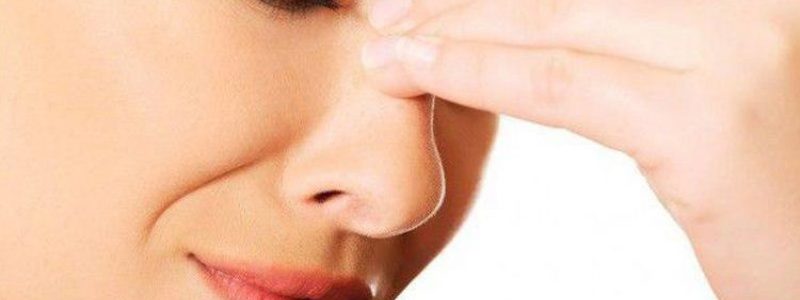
The process of performing anesthesia in rhinoplasty

The process of performing anesthesia in rhinoplasty

How is anesthesia performed in rhinoplasty?

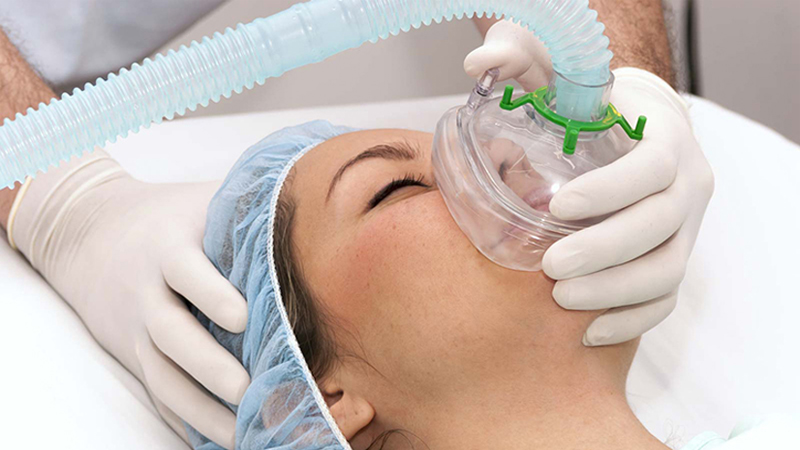
Anesthesia should be performed by an anesthesiologist. The type of drug and its dose vary according to the type of surgery and the patient's condition and its diagnosis is the responsibility of a specialist Of nose surgery will be. Anesthesia is generally performed in four stages. The steps that are taken to anesthetize the patient between the stages of rhinoplasty,( The process of performing anesthesia in rhinoplasty )
They include the following in order:

  • Induction stage
  • Excitement Stage
  • Surgical Anesthesia
  • Overdose stage

Start anesthesia

In a special room بیهوشی Or operating room, the patient is placed on a bed and his vital signs and clinical record are examined. The following steps are required to begin anesthesia:

  • The sphygmomanometer arm is fastened with the patient's arm and his blood pressure is monitored throughout the operation..
  • Special adhesives are attached to the patient's chest and wires representing the patient's ECG.
    They are attached to his body. These wires will show the patient's heart rate on the monitor screen during surgery.
  • A clip is attached to the tip of one of the patient's fingers.
    The clamp has a sensor with an infrared sensor that shows the amount of oxygen in the patient's blood to the anesthesiologist through a wire connected to it..
  • During surgery, the patient will need to have multiple injections.
    Injections are made through a plastic tube called a cannula or angiocatheter.
  • Patients are usually attached to a mechanical ventilator for better breathing.
    Using this device, the number of breaths and their depth are adjusted.

Complete anesthesia

After the operation, the patient needs to stay in the recovery room, which is part of the operating room, for some time to reduce the effects of anesthesia or anesthesia over time.. During this time, the vital organs of the body, especially the cardiovascular and respiratory systems, will return to normal..
After this period, the patient will be transferred to the ward.

Of nose surgery | The process of performing anesthesia in rhinoplasty

After anesthesia

After anesthesia, depending on the patient's condition, type of anesthesia or anesthesia, surgery performed, and medications used during treatment, the patient may experience different conditions.. Of course, post-anesthesia conditions also largely depend on the health status of the patient. In most cases, patients feel good because of the sedatives in these drugs.!

Occasionally there is a feeling of dizziness, tremor, or pain that spreads throughout the body.. Some patients may also experience drowsiness, sore throat, difficulty breathing, headache, and the like.. In the event of any of these, the ward nurse should be notified. Also, patients may feel tired and numb for several days after surgery.
The important thing after anesthesia is that to walk after the operation, they must use an assistant.
Sudden drop in blood pressure, prolonged lying down, and other effects of anesthetic injections.
It will cause dizziness and loss of balance.


Suggested content :

Bleeding after rhinoplasty

The importance of proper nutrition after rhinoplasty

What foods should we eat after nose surgery?

What to eat on the day of rhinoplasty? (Immediately after surgery)
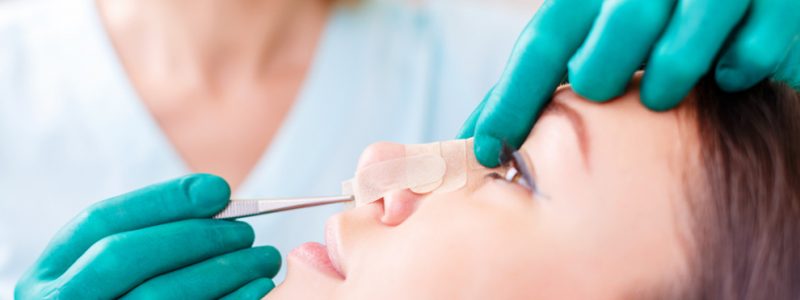
Learn how to sleep after a nose job !

Anesthesia for rhinoplasty

Types of anesthesia during rhinoplasty

Types of anesthesia during rhinoplasty

Types of anesthesia during rhinoplasty

How is anesthesia possible during rhinoplasty?

Types of anesthesia during rhinoplasty : Anesthesia can be performed in different ways depending on the severity of the surgery and the conditions that arise for the patient.. General anesthesia, sedation and regional anesthesia are three different forms of anesthesia in medicine.. Each of these triggers specific events in the body, each of which we describe.. Choosing the type of anesthesia for rhinoplasty can be a choice Of nose surgery In one of the following ways.

General anesthesia

General anesthesia It is a process in which the activity of the central nervous system is completely stopped, the person enters a state in which nothing is remembered, or in other words, the patient's voluntary and involuntary abilities are taken away and all his abilities to understand Loses the five senses. His memory also stops working during general anesthesia. General anesthesia In addition to rhinoplasty with anesthesia, the most common type of anesthesia is rhinoplasty.

relaxation

Sedation is a type of anesthesia in which a person is not completely anesthetized. In this way, the transmission of nerve impulses between the cerebral cortex and the peripheral system is blocked, which creates a relaxing state in the person.. Also, in this case, the person's long-term memory is impaired. This method is mostly used in the hospitalization period after major surgeries. Even with rhinoplasty, sedatives may be used to reduce and relieve pain after surgery..

Of nose surgery | Types of anesthesia during rhinoplasty

Regional anesthesia

In regional anesthesia, the transmission of nerve impulses from the pathway of the nervous system, which is located between the target tissue and the spinal cord, is stopped, and as a result, loss of sensation occurs in the target tissue.. In regional anesthesia, the patient is fully conscious and his memory is not disturbed.. Rhinoplasty with anesthesia is in this margin. Rhinoplasty with local anesthesia will have the least possible risks and complications.


Suggested content :

Bleeding after rhinoplasty

The importance of proper nutrition after rhinoplasty

What foods should we eat after nose surgery?

What to eat on the day of rhinoplasty? (Immediately after surgery)
Learn how to sleep after a nose job !

Anesthesia for rhinoplasty

Anesthesia for rhinoplasty

Anesthesia for rhinoplasty

Anesthesia for Nose surgery What does it mean in medicine?

بیهوشی, In various branches of medicine and dentistry and anesthesia for rhinoplasty, is an induced state in which a person, voluntarily or involuntarily, loses control over certain parts of the body.. The range of anesthesia is very wide. The lack of control that is induced in a person during anesthesia can affect a specific part of the body or the whole body.. In this case, the person will experience temporary, painless, paralyzed or even forgetfulness..

Anesthesia actually suppresses or weakens the central nervous system, which causes the reaction and sensation to external stimuli to disappear.. Of course, this condition is reversible and in most cases, does not lead to acute complications. Loss of consciousness and forgetfulness are two important aspects of anesthesia. But in general, one or more of the following conditions will occur in any anesthesia process for the patient..

  • No mercy
  • فلج عضلانی
  • Forgetting
  • Loss of consciousness

Of nose surgery | Anesthesia for rhinoplasty

As we have heard or experienced, anesthesia comes in many forms.. The anesthesia process is used in medical and dental surgeries, and each surgery can involve one or more different conditions.. In general, anesthesia is divided into the conditions described in the following sections.


Suggested content :

Bleeding after rhinoplasty

The importance of proper nutrition after rhinoplasty

What foods should we eat after nose surgery?

What should I drink after nose surgery?

What to eat on the day of rhinoplasty? (Immediately after surgery)

Learn how to sleep after a nose job !

Learn how to sleep after a nose job !

Learn how to sleep after a nose job !

How to sleep after nose surgery

The most important factor that makes you get the best results from rhinoplasty is learning how to sleep properly after rhinoplasty.. Rest and relaxation after surgery helps the patient recover faster; Because during sleep, and especially deep sleep, the hormones that are secreted in the body cause the healing process to be done more quickly and with quality. Of nose surgery Tips on how to sleep after rhinoplasty, which we will say below, are better for relieving insomnia after rhinoplasty and rest..

  • Upward (Supine) Sleep!

The most important step that is recommended to reduce the risks after rhinoplasty is to sleep on your back or so-called open arch in the days after the operation.. In this position, your head needs to be at a 45 degree angle above your body. Putting a few soft pillows on top of each other helps a lot in this position. Also, keeping the head higher than the body minimizes the effect of gravity and greatly reduces swelling in the nose.. It is also necessary to put extra pillows on your sides to prevent rolling to the sides. Placing a pillow under the knee also reduces back pain.

  • Use ice packs before going to bed!

Applying ice packs in the days after the operation will speed up the healing process. Ice packs are great for both reducing pain and eliminating bruising and swelling. You will most likely be advised to periodically use an ice pack to apply a compress until 72 hours after surgery.. Be sure to include compresses in your schedule, especially at bedtime.

  • If possible, sleep alone or at a distance from others!

In the few weeks after surgery, it is essential to prevent trauma to your nose. That's why it's important to sleep alone as much as possible. If someone is going to take care of you, this person should sleep at a distance from you so that sudden movements at night do not cause a sudden blow to the nose..

  • Do not consume caffeine!

We said that insomnia after rhinoplasty is normal. Now if from Caffeine Used before going to bed, this insomnia will show itself more intensely. Try to stop caffeine in the days after surgery or avoid caffeine for a few hours before bedtime.

  • Do not sleep on your stomach!

Sleeping on your stomach in the days after surgery is very dangerous. It is much more likely to put pressure on the nose and destroy the cartilage that is being regenerated while lying on your stomach..
Therefore, do not sleep on your stomach under any circumstances until partial recovery after rhinoplasty.

Of nose surgery | Do not sleep on your stomach


Suggested content :

Bleeding after rhinoplasty

The importance of proper nutrition after rhinoplasty

What foods should we eat after nose surgery?

Items that should not be in the diet after rhinoplasty

What should I drink after nose surgery?

What to eat on the day of rhinoplasty? (Immediately after surgery)

What to eat on the day of rhinoplasty? (Immediately after surgery)

What to eat on the day of rhinoplasty? (Immediately after surgery)

What to eat on the day of rhinoplasty?

As mentioned earlier, following a strict diet during the recovery period is very important and it is much more important to do this from day one; What to eat on the day of rhinoplasty? Thus, Of nose surgery It is recommended to take fruit juices such as celery juice and pineapple juice seriously, etc.. We recommend eating liquid foods such as chicken soup and broth. In order to prevent Constipation, We recommend that you eat high-fiber foods to strengthen your bowel movements.

What to eat in the first week after rhinoplasty?

As has been said several times before, it is essential to have proper nutrition after rhinoplasty in the early days; Therefore, it is necessary to follow a diet after rhinoplasty. During the first week, it is very important to avoid hard and chewy foods in addition to hot and spicy foods. That's why you should eat soft and nutritious foods while having all the information mentioned in the previous articles to achieve full recovery.. Also, during this week, the body is dehydrated and you have to drink a lot of water. It is normal to feel nauseous and vomit during the first week. But this feeling should not prevent you from consuming proper nutrition after rhinoplasty. Therefore, it is recommended that you eat the foods mentioned in the previous topics in small amounts and in several meals..

Of nose surgery | What to eat on the day of rhinoplasty

Conclusion

Proper nutrition after rhinoplasty has a great effect on the final result and shorter recovery period. Post-rhinoplasty diet includes foods that are not only easy to chew, but also rich in nutrients.. It is best to ask your doctor after a surgery to make a list of suitable and forbidden foods and provide it to you.. If for any reason you do not have access to your unique list, you can use the list we prepared in the previous article for you dear ones..


Suggested content :

Bleeding after rhinoplasty

The importance of proper nutrition after rhinoplasty

What foods should we eat after nose surgery?

Items that should not be in the diet after rhinoplasty

What should I drink after nose surgery?

Decreased sense of smell after rhinoplasty

Decreased sense of smell after rhinoplasty

What is the reason for the decrease in olfactory sense after rhinoplasty?

Decreased sense of smell after rhinoplasty : If you want problems Olfactory Check after rhinoplasty, you should take a look at the functioning of the olfactory system. After rhinoplasty or rhinoplasty Of nose surgery It is usually caused by a noticeable amount of swelling inside the nose. This swelling disrupts the function of the olfactory nerve fibers and the olfactory system. Swelling usually disrupts the airflow into the nose and disrupts the ability of odor molecules to reach the olfactory nerve fibers.. The same disturbance in the olfactory process is enough for a person to have olfactory problems after rhinoplasty. You usually experience such conditions when you have a cold, flu and test for spicy flavors like pepper.. In these cases, too, the olfactory sensation is weakened due to swelling in the inner area of ​​the nose.

Analysis of the results of the study of the effects of rhinoplasty on the sense of smell?

During the prevalence of olfactory problems after rhinoplasty, research began to investigate this problem. In this study, people who were candidates for rhinoplasty were evaluated. The result of this evaluation before rhinoplasty showed that the body's oxygen supply was normal and the sense of smell was normal in these people. In the first week after rhinoplasty, 87.5% of people developed anosmia or dyspepsia, and almost all people had no sense of smell.. This condition continued for the first few weeks after rhinoplasty.

After 6 weeks, approximately 80% of people who underwent rhinoplasty had mild to moderate impotence.. In fact, after rhinoplasty, these people did not smell much. But after 6 months of rhinoplasty, most people have a normal sense of smell. But what was the reason for these changes? In the following, we will examine the causes of loss of sense of smell after rhinoplasty.

Of nose surgery | Decreased sense of smell after rhinoplasty

The relationship between nasal polyps and the problem of sinusitis and decreased sense of smell

One of the problems that impairs the sense of smell is nasal polyps. Polyps usually disrupt the olfactory nerve fibers and interfere with the transmission of information from the olfactory molecule to the auditory nerve and the brain.. This causes a person to have an olfactory disorder. By carefully examining the structure of the nose and the site of the polyp, an experienced physician can perform nasal polyp surgery.. Usually some time after nasal polyp surgery, the person experiences a return to the sense of smell, which is very satisfying and pleasing..


Suggested content :

Bleeding after rhinoplasty

Brushing after rhinoplasty

Why fleshy nose surgery more difficult?

Treatment of runny nose after rhinoplasty

The importance of proper nutrition after rhinoplasty

What foods should we eat after nose surgery?

Items that should not be in the diet after rhinoplasty

Items that should not be in the diet after rhinoplasty

Items that should not be in the diet after rhinoplasty

What should not be included in the diet after rhinoplasty?

What should not be included in the diet after rhinoplasty? Of nose surgery What should not be included in the diet after rhinoplasty?. But on the other hand, there are foods whose use has a negative effect on the outcome of surgery and should not be avoided as much as possible نقاهت But on the other hand, there are foods whose use has a negative effect on the outcome of surgery and should not be avoided as much as possible.

  • But on the other hand, there are foods whose use has a negative effect on the outcome of surgery and should not be avoided as much as possible

Because the swelling of the nasal tissues is so close to the mouth and teeth, you should avoid eating hard and chewy foods that may cause severe stretching of your upper lip, such as chips, cereals, olives, cucumbers, noodles, etc..

  • Spicy and acidic foods

Another important type of food that you should avoid after rhinoplasty is spicy and acidic foods; Because these foods increase blood pressure and result in bleeding. Also, these foods irritate the nasal mucosa and slow down or impair wound healing and may make you sneeze.. In addition, these foods irritate the stomach and cause digestive problems that can negatively affect the healing process; Instead, it is highly recommended to eat cool foods such as smoothies, yogurt, etc..

  • Processed foods

One of the best ways to help your body recover from rhinoplasty is to avoid processed foods; Because these foods are high in sugar, sodium and saturated fats. Instead, divert your thinking to good things in life, such as whole grains and green vegetables; But it is important to eat only completely soft foods.

Of nose surgery | Instead, divert your thinking to good things in life, such as whole grains and green vegetables; But it is important to eat only completely soft foods

  • Very hot food / very cold

It is important to know the temperature of the food you eat after rhinoplasty surgery.
Be aware; Because eating too hot or too cold immediately after surgery is not recommended.
These foods increase the amount of pain and discomfort during the recovery period;
Because they are likely to cause pain in the jaw and teeth and eventually the whole face.

  • Salty foods

Salt increases swelling and inflammation. It is therefore recommended that in the recovery period (And even up to several months after surgery) Strictly avoid salty and salty foods.


Suggested content :

Bleeding after rhinoplasty

Brushing after rhinoplasty

Why fleshy nose surgery more difficult?

Treatment of runny nose after rhinoplasty

The importance of proper nutrition after rhinoplasty

What foods should we eat after nose surgery?

The importance of proper nutrition after rhinoplasty

The importance of proper nutrition after rhinoplasty

What is proper nutrition after rhinoplasty?

Proper nutrition after rhinoplasty, what foods to eat and what not to eat as a result of rhinoplasty جراح بینی And shortening the recovery period is very effective. If you are planning to have a nose job, it is best to be fully aware of the surgical procedure, pre- and post-operative care before anything else.. Otherwise, you are more likely to be dissatisfied with the outcome of the surgery. Proper nutrition after rhinoplasty is one of the important things that you should be fully aware of before the operation; Because diet after rhinoplasty will have a direct impact on your recovery process.

The importance of proper nutrition after rhinoplasty

As mentioned, diet is very important after rhinoplasty; Because it can make your recovery period easier and pave the way for a speedy recovery; Therefore, diet can have a significant effect on both the end result and the reduction of postoperative complications.. Usually, after any surgery, especially those performed under local or general anesthesia, it will be difficult for the body to digest a number of foods due to the anesthetic entering the body.. That's why Constipation After rhinoplasty and other surgeries, it is a common problem for many patients that can be easily treated with the right diet..

Of nose surgery | The importance of proper nutrition after rhinoplasty


Suggested content :

Bleeding after rhinoplasty

Brushing after rhinoplasty

Treatment of runny nose after rhinoplasty

Bleeding after rhinoplasty

Bleeding after rhinoplasty

In this article from Dr. Majid Rasti's website, Isfahan rhinoplasty and plastic surgeon examines an important issue: Bleeding after rhinoplasty have paid.

I suggest you read this article to the end and at the end, if you have any questions, send them to Mr. Doctor in the comments section at the bottom of the page..

Bleeding occurs very rarely after rhinoplasty. But there can be different reasons for bleeding after rhinoplasty. In this article, we want to examine this issue and explain the ways to prevent it. Stay with us.


Bleeding during rhinoplasty

There are usually many blood vessels in the nose. Rupture or damage to any of these blood vessels can cause nosebleeds. During rhinoplasty, the surgeon tries his best not to hit the blood vessels during the surgery to minimize the amount of bleeding during the rhinoplasty.. On average, each person loses about 50 ml of blood during rhinoplasty. This amount is a balanced and small amount for rhinoplasty. In some cases, the patient may lose more blood during the nose operation due to high blood pressure, if the doctor has information about the patient's blood pressure before surgery.. During rhinoplasty, attempts are made to control blood pressure. To minimize the patient's blood loss.


Bleeding after rhinoplasty

After rhinoplasty as mentioned. In some cases, the disease may cause nosebleeds. In these cases, the cause of the bleeding must first be found. Then take action to treat and stop the bleeding due to bleeding. One of the reasons that can cause bleeding after rhinoplasty is the following:.


blood pressure

Despite high blood pressure, it can cause bleeding after rhinoplasty. You should consider avoiding activities that cause your blood pressure to rise, such as brisk walking, for up to ten days after rhinoplasty.. In cases where you have high blood pressure. Before rhinoplasty, tell your doctor so that your doctor can have information about your high blood pressure for rhinoplasty and take the necessary steps.. Also, after performing the nose operation, explain the necessary recommendations to prevent nose bleeding due to high blood pressure.


Aspirin or anticoagulants

Take aspirin or anticoagulants or Vitamin e After rhinoplasty. Causes nosebleeds after rhinoplasty. You should note that you should stop taking these medications about three weeks before your nose job.


Severe nasal deviation

Bleeding from the nose after surgery is usually more common in people with severe nasal deviation. Severe nasal deviation causes the doctor to take more measures to improve the nasal deviation and eliminate the patient's respiratory problems..


Nasal tampon

In cases where bleeding is observed after rhinoplasty. Your doctor may remove your nasal tampon later. To solve the bleeding problem.


Excessive drying of the nose

Excessive drying of the nose can also cause bleeding after rhinoplasty. In this case, it is recommended to rinse the nose with serum 3 times a day after rhinoplasty after cosmetic surgery..


So according to the above. If you see nosebleeds after surgery. First find out which of the above can be the cause of bleeding. Then, according to the said cases or consult with your doctor, take action to solve the bleeding problem.

If it is useful, share it with others.

Doctor Majid Rasti ardakani

Plastic surgery

Of nose surgery

For more information turn to the address and hours of operation and registration تماس Visit website.

Post your questions and comments in the comments section.


Cause of itchy nose after surgery

Cause of itchy nose after surgery

In this article from Dr. Majid Rasti's website, Isfahan rhinoplasty and plastic surgeon examines an important issue: Cause of itchy nose after surgery have paid.

I suggest you read this article to the end and at the end, if you have any questions, send them to Mr. Doctor in the comments section at the bottom of the page..

The cause of itchy nose after surgery can be related to various issues. Article We want to examine the cause of itchy nose after surgery and inform you about the ways to eliminate it. Stay with us.

Cause of itchy nose after rhinoplasty

The main issue that causes itchy nose after rhinoplasty. The patient's skin is sensitive to nasal glue. The patient's skin may be sensitive to the nasal adhesive and may feel itchy on the skin after applying the nasal adhesive. In this case, to reduce the itching sensation, it is better to wash your nose skin with soap or washing liquid before applying nasal glue.. Then glue the nose.

In some cases, the cause of itchy nose is due to pimples on the nose or sweating of the skin under the adhesive. To get rid of pimples on the nose or skin sweating, you can use alcohol swabs to clean the nose and get rid of pimples..


Itching inside the nose

There are cases where the cause of itchy nose is not on the skin of the nose and the cause of this itching is inside the nose. The reason for this is due to the process of nasal healing.. Which is transient. And it disappears within two weeks after rhinoplasty.


Itching instead of stitches

During rhinoplasty, the doctor has to make incisions in the skin of the nose to perform the surgery. It may be necessary to make the nasal septa smaller to cut them to the required size. After the nose operation, incisions are made to create sutures. Itching of the sutures is due to the process of healing the skin tissue. This case disappears after a month of rhinoplasty.


Itching of the nasal skin before removing the nasal plaster

This case, like the above, may be due to pimples or sweating on the skin as well as skin allergies.. But because after rhinoplasty, it needs to stay on the nose for four to five days. Never use sharp tools to scratch the skin of your nose. Because it can cause sores on the skin of the nose. And because it is closed, there is a possibility of infection. And because it is not visible and the skin of the nose is numb for a while after the nose operation. You may not notice the infection and this can be dangerous.

Note that if the nasal itching persisted after rhinoplasty and caused you concern. Be sure to discuss this with your doctor so that you can be advised if action is needed.

If it is useful, share it with others.

Doctor Majid Rasti ardakani

Plastic surgery

Of nose surgery

For more information turn to the address and hours of operation and registration تماس Visit website.

Post your questions and comments in the comments section.