Nasal swelling and ways to prevent it

Nasal swelling and ways to prevent it

How long does nose swelling last after rhinoplasty?

To answer this question, one of the most important things to consider is that each recovery period has a specific duration.. But the length of the swelling of the nose depends on the fact that the care after nose surgery has been done well or not.

Normally, the swelling will be greatly reduced after one to two weeks after rhinoplasty, but this swelling will remain to some extent.. The duration of nasal swelling is almost a few months, and no effective way has been developed to resolve it.

The facts show that the anatomy and overall structure of the nose have a great influence on determining the duration of nasal swelling. This means that fleshy noses take more time to completely resolve the swelling after nose surgery. This is while a bony nose takes less time.

So we can say that :

  1. Due to the invasive nature of nose surgery, swelling is completely normal.
  2. Swelling of the nose has nothing to do with the skill level of the doctors. You can imagine that if the nose surgeon is skilled, he can perform the surgery in such a way that the swelling is low..
  3. Swelling of the nose is partly affected by the general structure of the nose, which is not in your hands, nor in the hands of the doctor جراح بینی .

*Finally, our advice is to try to accept this complication and take all necessary precautions and measures to improve the condition of nasal swelling and accelerate the process of reducing nasal swelling..

Prevention of rhinitis

In order for the swelling to be less after rhinoplasty and to be removed faster . There are some points that you should follow. Stop smoking in the days leading up to the procedure. Take other medicines with the doctor's advice. And stop using herbal or over-the-counter medicines. Also, modify your diet in the days close to the operation. This modification of the diet should continue after the operation .

For this purpose, minimize the consumption of sodium and salt . Avoid hard foods that require more chewing, stop smoking and alcohol, and replace fruits and vegetables, especially natural juices..

به طور کلی ورم بینی می تواند تا 2 سال پس از جراحی ادامه یابد. But its intensity should be low so that others do not notice it. Most of the swelling will disappear about two months after the surgery, and the rest will be corrected gradually with the passage of time..

In the days after the surgery, the swelling of the nose may be so great that it can even be seen bigger than the initial shape of the nose . Do not worry and help your faster recovery by following the tips and following the instructions correctly..

Read more :

Treatment with nasal polyp surgery

Treatment with nasal polyp surgery

Nasal polyps

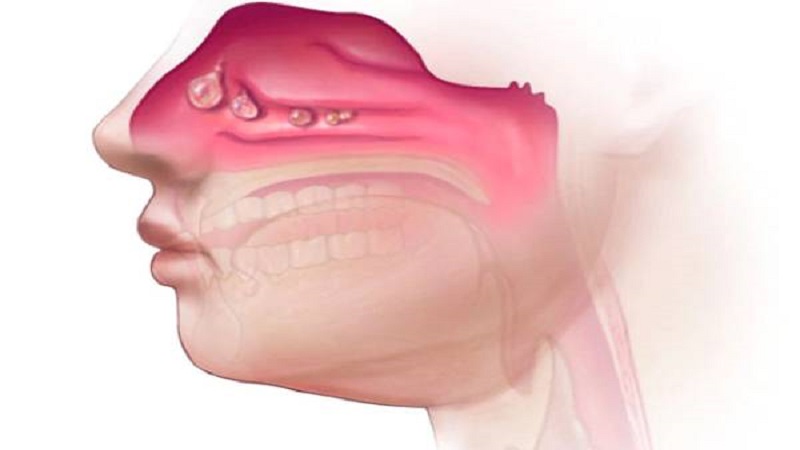
Nasal polyps are caused by the unbalanced growth of cells in the nasal mucosa. Nasal polyps are lumps that interfere with the intersection of the nose, cheeks, and eyes with impaired breathing..

Some people suffer from stuffy and stuffy airways without catching a cold. This can be due to the growth and presence of polyps in their nasal airways. Polyps are benign masses that grow in the inner wall of the nose and in the paranasal sinuses..

It is interesting to know that most people have nasal polyps and have it in their nasal passages. But it may be small in size and not a problem for the person. In some, it increases in size and blocks the airway.

People at a close age can experience nasal polyps and men 4 Are more likely than women to affect the complication. The presence of certain factors in people increases the risk of developing polyps in the nose. In addition to genetics, asthma, hay fever, allergies, sinus infections and in some cases drug allergies can predispose people to nasal polyps.. Nasal polyps can cause dryness of the airways.

Symptoms of nasal polyp diagnosis

The thing about this complication is that they have no nerves and no matter what size they are, you will never feel them in your nose.. How do we find out about polyps?

This complication causes problems for the person if it grows. These problems can include the following::

  • Lack of proper breathing due to nasal obstruction
  • Permanent nasal congestion( So that in most cases the person has to breathe through the mouth)
  • Snoring when sleeping
  • Runny nose and reduced sense of smell
  • Feeling of pressure in the forehead and face

Tell your doctor if you have any of these symptoms that cause a cold جراح بینی See a doctor for tests to diagnose polyps.

Of nose surgery | Nasal polyps

Treatment of polyps

As mentioned, polyps can be small and not cause a problem. One of the effective treatments for nasal polyps is treatment of the causative agent. For example, allergy control, treatment of sinusitis and treatment of sinuses can prevent the regrowth of polyps. Medication and surgery are also methods of treating polyps.. Because polyps are reversible, surgery is usually not recommended and medication is a better option.

In pharmacotherapy, sprays and drugs are used with a doctor's examination and according to the size and condition of the polyp. The main ingredient used in medicines and sprays is corticosteroids, which have anti-inflammatory properties and are used to reduce swelling and inflammation. With the use of these drugs, the size of polyps is greatly reduced and sometimes they disappear.. Nasal drops are also available for treatment, but for some reason, excessive use of nasal drops is not recommended.

Surgical treatment

If, despite all the steps taken to remove or shrink the polyps, the person still has respiratory problems and other symptoms, there is no other way but to have surgery and complete removal of the polyps.. However, polyps are reversible and can recur after surgery.

This surgery is a very good option for people with chronic sinusitis because it helps to open the airway.. Depending on the size of the polyps, rhinoplasty can be performed in two forms: polypectomy and endoscopic surgery for larger polyps..

Can rhinoplasty be performed at the same time as the treatment?

If the polyps are small, polyps and rhinoplasty can be performed together. However, if they are large, this is not recommended because of the possibility of nasal deformity due to the return of polyps.

Read more :

The importance of nasal massage after rhinoplasty

The importance of nasal massage after rhinoplasty

Massage after nose surgery

Nasal massage | Rhinoplasty is one of the most sensitive cosmetic surgeries that must be accompanied with great care and accuracy to achieve the best and most successful results..

Now, in this article, we are going to address one of the issues in the field of rhinoplasty that may seem insignificant at first glance, but in fact is very important for the recovery process after rhinoplasty..

One of the most important things to consider is to be careful and obsessive about the care and advice given by doctors to achieve a healing process..

You imagine that your rhinoplasty surgery by the best جراح بینی which operates in Iran has been done. But if you do not have the necessary care after surgery, surgery can not go well. So half of the success of treatment and surgery depends on you.

Of nose surgery | Nasal massage

What is the result of nose massage after rhinoplasty?

Among the questions asked about rhinoplasty, nose massage after rhinoplasty is one of the most frequent.. In fact, people ask how effective nose massage is after nose surgery.

In this context, we must say that doctors recommend that you do this in a certain way . The massage should be done in a circular motion with gentle movements around the nose.

Of course, you should keep in mind that these movements should be slow and slow so as not to put the slightest pressure on the nasal bone.. This will reduce the bruising and swelling on the nose after nose surgery.

Related Suggested Content :

Causes of nasal prolapse after rhinoplasty surgery

Causes of nasal prolapse after rhinoplasty surgery

Nasal prolapse after surgery

One of the possible complications after rhinoplasty is drooping nose. The drooping of the tip of the nose causes the appearance of the nose to be disturbed and people to be dissatisfied. Therefore, in case of this complication, they immediately act to treat and improve it. The following are the types of complications that may occur after rhinoplasty:

  • Drooping tip of nose
  • Asymmetry between the two parts of the nose
  • Excessive bleeding
  • Respiratory problems: Disorders in the normal process of breathing and difficulty in the function of the nose cause shortness of breath and other problems related to the nose..
  • Snoring while sleeping after rhinoplasty
  • Failure to remove the hump completely
  • The nose does not shrink enough
  • Too much shrinkage of the nose and its disproportion in the face

Cause of sagging nose after surgery

A drooping nose means a drooping tip of the nose that disrupts the appearance of the nose. Normally the tip of the nose should be in line with the bridge of the nose or slightly higher than the bridge of the nose. The tip of the nose is smooth in noses with a natural shape, but in fancy noses it is more curved upwards..

If the tip of the nose with the upper lip is less than 90 Be grade. In the term, we say a person has a nose drooping. The main reasons that cause the tip of the nose to sag are the following:

  1. Improper surgical techniques
  2. Lack of care after rhinoplasty

In cases where rhinosurgeons do not have enough expertise and skills or use the old technique for rhinosurgery, they can not perform the surgical procedure properly.. As a result, they remove more cartilage from the nose by making non-standard incisions. As a result of this complication occurs.

Read more : Necessary care after rhinoplasty

Of nose surgery  | Causes of nasal prolapse after rhinoplasty surgery

Ways to prevent

The cartilage of the tip of the nose must be strengthened so that the tip of the nose does not sag. In some cases, doctors remove the cartilage from the tip of the nose from other parts of the body, such as the eardrum or ribs, in order for the cartilage of the nose to be strong enough, and then attach it to the tip of the nose during surgery..

This cartilage causes the skin in the area of ​​the tip of the nose to be placed on the cartilage and eliminates the possibility of sagging.. Another method of care and prevention of this complication is the proper way to stick to the nose. If you are new to surgery, you can help shape your nose better by applying glue to your nose.

Nose gluing should be done properly and placed on the nose according to the principles

Reconstructive surgery to remove a sagging nose

In cases of severe nasal prolapse, people undergo reconstructive surgery. In reconstructive surgery, cartilage can be removed from other parts of the body - the earlobe or ribs - to help strengthen and elevate the tip of the nose.. Reconstructive surgery has a special sensitivity that the best rhinosurgeon should do. Because if there is a problem in the second stage of surgery, the chances of resolving it disappear.

The best time to repair this complication after rhinoplasty is one year after rhinoplasty.

Suggested content :

The official page of Dr. Majid Rasti

General anesthesia Rhinoplasty

General anesthesia Rhinoplasty

Effects of anesthesia after rhinoplasty

Rhinoplasty is one of the procedures that the patient must undergo general anesthesia to perform the operation, because in most cases this operation is not performed on an outpatient basis or under local anesthesia..
Anesthesia is the process of forcing a person to take a temporary nap before surgery so that they do not feel the pain caused by the operation.. This operation is performed after receiving anesthesia by an anesthesia technician. In most cases, these drugs may cause side effects after surgery or the patient's body may have an allergic reaction to these drugs..

It is also worth noting that allergies to anesthetics are one of the possible side effects of rhinoplasty..
* Each of these drugs is used for anesthesia according to the age, physical and mental condition of the patient and also according to the discretion of the anesthesiologist..

The effect of anesthesia on rhinoplasty

The potential side effects and dangers of anesthetics have led to people intending to have rhinoplasty. The potential side effects and dangers of anesthetics have led to people intending to have rhinoplasty. The potential side effects and dangers of anesthetics have led to people intending to have rhinoplasty. Anesthesia leads to death and other serious damage to their health. Although most of these fears are obsessive and vain. But a little stress is normal for such surgeries.

Bruising around the eyes after rhinoplasty Anesthesia leads to death and other serious damage to their health. Read this article to know more about the causes of bruising around the eyes and how to get rid of it.

Types of anesthesia

  1. بی حسی موضعی
    2. Intravenous calm
    3. General anesthesia

Of nose surgery | General anesthesia Rhinoplasty

Which type of anesthesia is suitable for rhinoplasty?

The choice of anesthesia depends on the expertise and experience of the anesthesiologist. Read this article to know more about the causes of bruising around the eyes and how to get rid of it.

Anesthesia drugs used in rhinoplasty

In the past, higher-risk drugs were used for rhinoplasty, but now, with advances in medical science, lower-risk and much safer drugs are being used in rhinoplasty.. In the past, drugs called halothane, isoflurane, influenza were used for anesthesia, but now in Iran, drugs called propofol, atra curium, fentanyl are used..

Is there a possibility of death in rhinoplasty?

Receiving anesthesia in rare cases may also lead to death, although this has been more in the past, and with the efforts of experts in this field, the number of deaths due to anesthesia has been drastically reduced to near zero, so instead There is no need to worry and you can perform rhinoplasty considering all aspects and enjoy the benefits of this operation without fear or apprehension..


Is there a possibility of death in rhinoplasty?

Rhinoplasty with cartilage transplantation

Rhinoplasty with cartilage transplantation

Cartilage transplantation in rhinoplasty

The choice of cartilage graft for use in rhinoplasty plays a very important role in the success rate of rhinoplasty. If you are looking to improve the size of the nasal bridge or increase the orientation of the tip of the nose. The body's own cartilage can be used. And that's the first option for a plastic surgeon. In most cases, a cartilage graft is used to properly orient and angle the tip of the nose .

The surgeon's first choice is to use natural cartilage. There is a good reason, and that is that artificial prostheses such as gortex and silicone are both recognized in the body as a foreign body.. And may not be accepted by the body in all cases. And there is always the risk of cartilage being pushed back by the body.

Natural cartilage, on the other hand, is not unknown to the body and therefore there is no risk of rejection. It does not matter where the cartilage comes from.

From which areas can cartilage be removed for rhinoplasty?

There are three main areas for cartilage in the body that a plastic surgeon uses to remove cartilage.. These three areas are usually selected in the following order:

  • Nasal septal cartilage in nasal operation

It is usually the first choice for nasal cartilage from the nasal septum. The nasal septum is a cartilaginous part or wall that divides the nose into right and left ducts. If there is enough cartilage for the septum, the plastic surgeon will usually perform the surgery by properly shaving the cartilage from this area without affecting the overall structure of the nose..

By deforming the nose and cutting the cartilage from the nasal septum and placing it in the right place on the bridge of the nose or the tip of the nose, you can get enough benefit from this cartilage.. Because the cartilage of the nasal septum has already been in the nasal area. Perfect for deforming the nose. But it is less likely to be absorbed by the body. It can also bend or twist unlike other cartilage.

Of nose surgery | Cartilage transplantation

  • Cartilage transplantation from the ear

When the amount of cartilage in the septum is not enough, the best rhinosurgeon decides to transplant the cartilage from the ear, and cartilage removal can be done from one or both ears.. This procedure is done in such a way that the least scar is created in the visible area of ​​the ear and the shape of the ear is not changed..

Ear cartilage is a very popular option due to its high flexibility. This type of cartilage is soft and easily deformed. However, there is a tendency for this cartilage to twist and bend over time . The reason is the softness of this type of cartilage . Which can not have a good support structure for the nasal bridge.

Therefore, the cartilage of the ear is mostly used for the tip of the nose and its deformation and size . And in less cases is used for the nasal septum.

  • Cartilage transplantation from the chest

When the cartilage of the nose or ear can not be used. The plastic surgeon decides to remove cartilage from the person's chest. This cartilage is located between the chest. There is a lot of cartilage in this area . And therefore the risk of affecting the function or shape of the chest. It is very low. Chest cartilage is stiffer and smoother than ear cartilage and is therefore more suitable for grafting to the nasal septum or nasal bridge area.. Because this type of cartilage does not bend over time and retains its structure.

  • Artificial cartilage of the nose

In many cases, due to the patient's condition or other reasons, the use of artificial nasal cartilage is recommended . In this way, a suitable and desired shape is provided for the tip of the nose or the bridge bridge area. There are advantages and disadvantages to using this method . The doctor decides to do it after examining all aspects.

Source : What Is The Best Cartilage Material For A Nose Job?


Read more: Sample of semi-fancy nose surgery by Isfahan rhinosurgeon

Treatment of allergies with rhinoplasty

Treatment of allergies with rhinoplasty

Evaluation of allergy treatment with rhinoplasty

If you also have allergies, you should definitely know the symptoms like: How does sneezing, stuffy nose and constant runny eyes and nose feel at night?. Every year, many people with allergies look for a way to relieve the symptoms of the disease through various means such as taking oral medications or preventing the causes of allergies.. If you have suffered from seasonal allergies for many years, you may be surprised to hear that there are many permanent solutions to treat this condition.. Treating allergies with rhinoplasty may not be the cure for allergies, but by correcting other problems related to the nose and the structure of the nose, it will have a significant effect on relieving allergy symptoms..

See a sinus doctor

Before prescribing treatment for allergy and sinus problems, it is best to see a sinusologist and diagnose the exact cause of the disease. Chronic sinusitis appears to resemble allergies. Sinusitis is just as common as allergies. Although the symptoms of these two diseases are different, they both interfere with work and personal life to the same extent.. For example, people with allergies often have runny nose, itchy eyes, and congestion (Accumulation of blood and mucus in the nose) Suffer while people with sinusitis have symptoms such as shortness of breath and congestion. It should be noted that allergic disease may lead to inflammation of the sinuses and eventually sinusitis..

Investigation of sinus surgery and balloon sinuplasty

Although allergies can not be treated with methods such as balloon synoplasty, if they cause sinusitis, this method can treat sinusitis and relieve pain.. In some cases, the structure of the nasal passages and sinuses can lead to problems that are exacerbated by allergies.. For example, a deviated septum usually easily causes sinus blockage. The growth of mucus in the nasal passages can aggravate sinusitis. In some cases, allergy leads to fungal infection and eventually sinus swelling and blockage. The balloon sinuplasty treatment method helps to reduce the pain and pressure caused by sinusitis by opening the path of the sinuses.. During this minimally invasive surgery, the doctor injects a small balloon catheter into the patient's nose and when the balloon bursts, the airway is opened and the sinuses are completely drained.. With this surgery, the symptoms associated with sinusitis such as pressure behind the eyes, headache and toothache are reduced in the patient.

Treatment of allergies with rhinoplasty | Of nose surgery

Symptoms of septal deviation

In some cases, people may also have a deviated septum problem in addition to allergy symptoms. The septum is a piece of cartilage that closes the nasal passage 2 The section divides. Ideally, the septum should not deviate to just one side. When a person has a deviated nose, the septum deviates to one side from the center of the nose and leads to obstruction of the passage of air in the nose.. Although septum deviation does not always need treatment, if this deviation is so much that it causes obstruction of the nasal passage, it leads to swelling, breathing disorder and congestion.. Symptoms of deviated septum may be similar to allergy symptoms. It should be noted that septal deviation does not cause allergies and its treatment does not cure allergies. But septoplasty will help to reduce swelling and breathing problems by correcting the problem of septum deviation.

رینوپلاستی

Rhinoplasty or rhinoplasty, like sinus surgery or septoplasty, will have no effect on allergy treatment.. But this method, like other nasal surgeries, improves breathing by improving nasal function. Although the emphasis of sinus surgery and septoplasty is to improve the function of the nose, rhinoplasty improves the appearance of the nose more.. Through rhinoplasty, problems such as a hump of the nose or nasal structures can be corrected. After rhinoplasty, the patient usually feels congestion or congestion in the nose, which can aggravate the symptoms of allergies.. For this reason, it is usually recommended to control and treat allergies before any type of rhinoplasty.

Treating allergies and getting rid of nasal congestion during the night

Allergies can be tolerated to some extent through surgery and by correcting the structural problems of the nose. But the best way is to prevent the occurrence of allergies or control the symptoms that lead to allergies. Of course, it is always easier said than done. Controlling allergies is not easy, especially when we are exposed to pollens or allergens.. Over-the-counter medications reduce allergy symptoms by reducing the immune system's response to allergies. In some cases, your doctor may recommend immunotherapy. During this method, by increasing the body's resistance against the specific allergen, allergy symptoms will decrease over time.

If you have acute allergies, or your allergies are mild and under control, or if you still have respiratory problems and feel nasal congestion, rhinoplasty is the best treatment option to choose for allergy treatment.. In such a situation, a facial cosmetic surgeon with expertise in rhinoplasty and sinus surgery can determine the best treatment option for the patient.. We remind you again that allergies cannot be cured by nose surgery, but it helps the patient cope with seasonal allergies more easily..

| Dr. Majid Rasti's Instagram page Of nose surgery |

Read more :

Rhinoplasty of the elderly

Treatment of a broken nose

Causes of burning nasal vessels

Rhinoplasty of the elderly

Rhinoplasty of the elderly

Investigation of nose surgery in the elderly

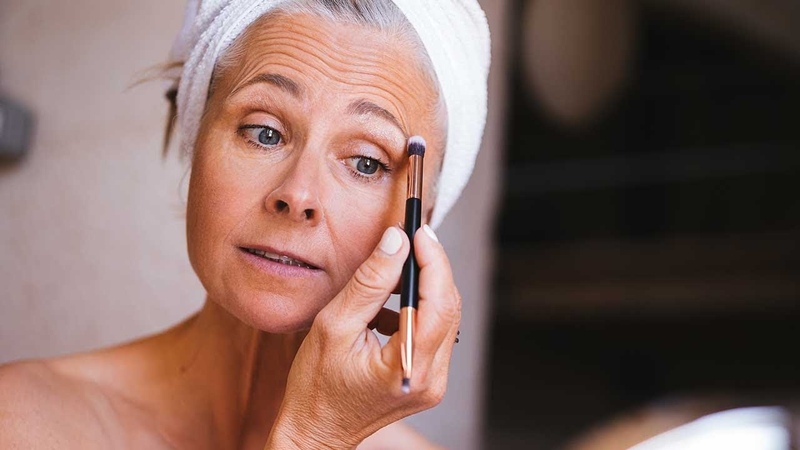
Many conditions change with age, but you may be surprised to learn that even our noses change with age. Even if you are relatively satisfied with the appearance of your nose, its shape and size can change with age, and you may look in the mirror and see a nose that looks larger, droopier, and wider.. This can change the look of your face, make your nose look more uncoordinated than other parts of your face, and make you look older..

What changes occur in the nose?

Cartilage and bone provide a supportive framework for your nose, but over time, these structures begin to weaken and the tip of your nose may become wider.. This condition can also create a raised-like appearance on the bridge of the nose. The changes that occur may vary from person to person.. If you have cartilage that is harder and stiffer, you may not see changes that are very noticeable.

However, if you have softer cartilage, the appearance of your nose may change significantly. Softer cartilage can cause ptosis, which is when the tip of your nose is severely droopy. In some cases, a healthy nose can make it look like the tip of your nose is in your upper abdomen. It gets worse in women after menopause due to the loss of estrogen and the resulting weakening of the cartilage. So you lose the support that comes from the tip of the nose.

Rhinoplasty of the elderly | Of nose surgery

Actions to change droopy nose and appearance change due to aging

If a droopy nose makes you feel a bit older than you are and you want to regain a more youthful appearance, you may want to consider rhinoplasty.. This surgical procedure, also known as reduction rhinoplasty, can help flatten and provide support to the nose.. Depending on your personal needs and preferences, rhinoplasty for the nose as you age may include shrinking or relocating the lower lateral cartilage, using a graft to help lift and flatten your nose, and / Or use a cartilage graft to help lift and support the tip of the nose.

This can help prevent the nose from drooping again over time. Unlike many young patients who seek rhinoplasty to reduce the size or change the shape of their nose, most patients who apply for rhinoplasty due to aging and its effect on the overall appearance of the nose do not want to undergo a drastic change in shape. Create in your nose. These applicants are actually looking for a natural looking nose that is properly balanced with the rest of their face. Rhinoplasty in older patients can make a significant difference in their appearance and attitude. And if it is combined with other methods such as face lift, neck lift or eyelid surgery, it will have very good results..

| Dr. Majid Rasti's Instagram page Of nose surgery |

Read more :

Methods of diagnosing nasal fractures

Treatment of a broken nose

Causes of burning nasal vessels

Treatment of a broken nose

Treatment of a broken nose

Treatment of a broken nose

Your doctor can usually diagnose a broken nose with an examination. If a person has pain or discomfort during the examination, the doctor may use an anesthetic to numb the affected area.. The doctor may ask the patient to return to the doctor for examination after two or three days after the swelling subsides.

A broken nose usually heals within a few days, but it may take a week or more for the pain and swelling to completely go away.. If the patient's nose injury appears to be severe or is accompanied by other facial injuries, the doctor may order a scan, X-ray, or CT scan.. They can help determine the extent of damage to the nose and face.

Medical treatment may not be necessary for minor fractures. However, an evaluation by a doctor is always needed to determine which treatment is best for the affected areas. Based on the amount of injuries to the nose, he chooses the best method of treatment.

عمل جراحی

In the problem of broken nose, two groups need surgery for treatment. The first category is people who have moderate to severe nose injuries. And the second group are people who have not been treated for two weeks after the injury. In both cases, the doctor may choose the surgical option. The purpose of the surgery is to return the nasal bone to its proper place and, if necessary, change the shape of the nose to its correct form.


Treatment of a broken nose | Of nose surgery

In such cases, septorhinoplasty can be performed. Which is both a nose job and a rhinoplasty. Rhinoplasty and septoplasty usually 3 Eli 10 It is not done the day after the injury and before the swelling decreases. Surgery is performed when 14 The day has passed since the nose injury. Pain and discomfort caused by surgery must go through 72 Hours after the operation, start to decrease. In many cases, the patient can go home the day of the operation. But he may have to stay home for about a week due to swelling and bruising.

Manual correction method(Non-surgical)

If the doctor determines that there is no need for surgery. And over 2 A week has not passed since the injury. Treatment can be done. During this simple operation, the doctor returns the broken and damaged bones to their original location in the office.. If more than this time has passed, the injury may heal on its own. lead to bad fusion of the nose and the doctor recommends surgery instead of nose repair.

The doctor usually uses some anesthetic to numb the injured area . and puts the nasal bone in its correct place. May use a speculum and other medical tools to set broken bones and damaged cartilage. The doctor will place something like a splint inside the patient's nose. And he dresses it outside. This will keep the nose in place. Some antibiotics will also be prescribed to prevent infection.

While the broken nose is healing, it is recommended to avoid activities that could further injure it, such as games and contact sports..

| Dr. Majid Rasti's Instagram page Of nose surgery |

Read more :

Methods of diagnosing nasal fractures

Chewing gum after rhinoplasty

Causes of burning nasal vessels

Sample of semi-fancy nose surgery by Isfahan rhinosurgeon

Sample of semi-fancy nose surgery by Isfahan rhinosurgeon

The final part of semi-fantasy rhinoplasty by Isfahan rhinosurgeon In the operating room


دکتر مجید راستی
Specializes in plastic, reconstructive and cosmetic surgery
The Secretary of the Congress of plastic surgeons years 2011
A legal practitioner and expert medical system for 10 years in the field of plastic surgery offences review
Member of society of plastic surgeons and the beauty of Iran
Member of the American Society of plastic surgeons and aesthetic
Head of Plastic Surgery Research and Treatment Center of Iran

Address: Isfahan, at the end of Mardavij Street (Sheikh Klini), No. 21 North
Phone : ۳۶۶۹۲۰۰۰ – ۳۶۲۸۱۵۸۵ – ۳۶۲۸۱۵۸۶ ( 031 )