Driving after rhinoplasty

Driving after rhinoplasty

Driving after rhinoplasty

How long is it possible to drive after a nose job?

Driving after rhinoplasty becomes a concern for many people who undergo surgery. تا 2 The first day after surgery should not drive at all. Because of the effects of anesthetics, a person may feel dizzy and drowsy. It is also a good idea to have someone with you on the day of surgery to take you home. From the third day, if necessary, you can drive on short distances and of course at low speed. Because in the first three days, swelling in the nose and around the eyes, especially in fleshy noses, is high. And this swelling can limit a person's field of vision. You should know that severe head and nose shaking can also damage the structure of your nose in the early days.

Of nose surgery | Driving after rhinoplasty
How many days after the operation can I drive?

Driving passed a week until 10 The day after the operation is unbroken. Because swelling of the face and nose is less. Your recovery period is over and your general condition will be good. It is recommended that when sitting in the car after rhinoplasty, be careful not to shake your head and nose

Land and air travel after rhinoplasty

For travel after rhinoplasty, whether by air or by plane, car, train or any other means, you should at least wait until the end of the first week.. When traveling by plane, due to pressure differences in altitude, pressure may be applied to the nose and cause bleeding. It is best to give your body a chance to heal. The recovery period after rhinoplasty is very important because it is effective in the end result. So avoid unnecessary travel as much as possible.


دکتر مجید راستی

Of nose surgery

Click to follow the latest educational content and office news on Dr. Majid Rasti's Isfahan Rhinoplasty Instagram page.


Suggested content :

Learn how to sleep after a nose job !

The importance of proper nutrition after rhinoplasty

جراحی بینی مردان

The effect of drinking alcohol on rhinoplasty

Weight loss after rhinoplasty

Rhinoplasty and colds

Use of ice after rhinoplasty

Dental composite after rhinoplasty

The best time for rhinoplasty

Recurrence of nasal hump after surgery

Recurrence of nasal hump after surgery

Recurrence of nasal hump after surgery

Many people are dissatisfied with the appearance of their nose and resort to rhinoplasty surgeries. The most common cause of dissatisfaction in people is the presence of a hump on the nose. Recurrence of nasal hump after surgery is possible and it cannot be said 100% that it will not return.

The final diagnosis of nasal hump is made by a doctor and there are several ways to treat nasal hump. The nasal hump is located at the junction of bone and cartilage behind the nose. And because of this, people undergo surgery to create fit in their facial features.

Contrary to popular belief, hump is not a type and the final and definitive diagnosis is possible only by a doctor. Nasal hump can be severe, mild, latent or false. Depending on the type of nasal hump, the treatment offered is different and the most common treatment offered is rhinoplasty..

Does the nasal hump come back after rhinoplasty?

Recurrence of nasal hump after surgery is possible and it cannot be said 100% that it will not return.

In some cases, we see that the nose becomes calloused after the surgery. This is due to the reaction of the nasal bone to the injury in the surgery and as a result it will gradually thicken. And this gives people the impression that the nasal hump is back.

Of course, it must be said that nasal hump will never return as much as before surgery. And nasal hump will not be completely reversible after rhinoplasty.

Applicants for rhinoplasty should be aware that this is sometimes possible. Due to swelling and callus formation in the structure of the nose, we see a small amount of irregularity in the bridge of the nose.

Of nose surgery | Recurrence of nasal hump after rhinoplasty
Return the nose to the preoperative state

If after rhinoplasty surgery, the person's nose changes a lot and loses its postoperative state. In this case, the surgeon recommends rhinoplasty. Rhinoplasty is a process that has a special complexity and requires special skills and abilities from the surgeon. Because in this surgery, the doctor will deal with a weakened nasal structure, and in this surgeon, the person must consider. This operation may leave surgical scars.

If the nasal hump returns after cosmetic surgery. Recommended before deciding for nose reconstructive surgery 6 تا 12 Wait a month after the initial surgery. Often the callus that forms or the swelling in the bony part of the nose, which makes people think this. When the nasal hump is back, it goes away on its own.

In fleshy noses that have undergone rhinoplasty, because the nasal skin is thicker. Swelling after surgery takes longer to go away, giving the patient the impression that the nasal hump has returned after cosmetic surgery.. Although the nose is less likely to become larger after rhinoplasty. Or other changes, but there are other things that can happen after rhinoplasty.

Factors influencing the return of nasal hump after cosmetic surgery

There are many factors involved in the return of nasal hump after cosmetic surgery. And their role in the return of the nose after rhinoplasty can not be ignored.

Factors influencing the return of nasal hump after surgery include the following?

Age

Applicants for rhinoplasty at an early age should consider. After years of adolescence, the nose continues to grow. The fact is that rhinoplasty is performed when it is performed on a teenager. It is likely to occur with changes that cause nasal deformity. In some adolescents, the nose continues to grow after surgery. But in others, the nose does not grow after surgery and there is no change as a result of the surgery. There are many surgeons who are reluctant to perform rhinoplasty at an early age.

Unforeseen probabilities in the return of nasal hump after surgery

The results of rhinoplasty should, in principle, be permanent and irreversible, and there is no 100% guarantee that there will be no relapse.. This reversal may be due to structural problems or factors such as illness or injury. Plastic surgeons are not in control of all cases and things happen to patients and they experience problems, and this happens more often in older people.. This condition causes the structure of the nose to deform, which in turn leads to the growth of the nose after rhinoplasty.. It is very important that the rhinosurgeon is very skilled and trained.

Is the nasal hump made of bone?

Only 10 The percentage of the possibility of returning the nose remains after surgery and the rest will be eliminated by gluing the nose and massaging the nose.. Because the nasal bone is shaved, it causes this bulge to form, and shaving at this point causes callus formation, and this callus disappears over time, so it can be said that it is not permanent..


دکتر مجید راستی

Of nose surgery

Click to follow the latest educational content and office news on Dr. Majid Rasti's Isfahan Rhinoplasty Instagram page.


Suggested content :

Learn how to sleep after a nose job !

The importance of proper nutrition after rhinoplasty

جراحی بینی مردان

The effect of drinking alcohol on rhinoplasty

Weight loss after rhinoplasty

Rhinoplasty and colds

Use of ice after rhinoplasty

Dental composite after rhinoplasty

The best time for rhinoplasty

Application of splints in rhinoplasty

Application of splints in rhinoplasty

Application of splints in rhinoplasty

In fact, a nasal splint or nasal cast is actually a plastic splint. Which protects your nose and helps the bones and cartilage of the nose. Do not move until repaired. The use of splints in rhinoplasty is important because it can protect the nose from damage.

When rhinoplasty is performed, nasal splints or casts are used to further maintain the shape and appearance of the nose. . Nasal splints can also be used to reduce swelling and maintain bone position after rhinoplasty.. . In fact, the use of nasal plaster after rhinoplasty is mandatory for the patient. . Use of splints in rhinoplasty is an external splint that can. As a result, rhinoplasty plays an important role. . In the first days after rhinoplasty, the nose is vulnerable. Using a splint can protect the nose from any damage.. .

Of nose surgery | Application of splints in rhinoplasty

There are two types of nasal splints:

External splint

Internal splint

Application Use of external splint

1-Swelling and swelling: Inflammation is reduced by the pressure that glue and plaster put on the nose.

2-Splint use in nasal surgery is effective in covering cartilage by nasal skin and the result will be more accurate..

3-If the splint is not used, there will be an empty space between the cartilage and the patient's skin. This empty space is a good substrate for connective tissue and hematoma.

4-Because in case of such cases, the result of the operation will be a lot of changes.

5-Protects the new shape of the nose: During nose surgery, the shape of the bones and cartilage changes. In order for these bones to remain in a new shape, it is necessary to use plaster.

6-Protects the incidence of injury in the nose:The use of splints in rhinoplasty protects against injuries. But this protection is not enough to allow the patient to engage in dangerous activities after the operation and still have to take care of his nose..

Purposes of using internal splints

In cases where the patient has a deviation or deviations in his nasal septum. An internal splint will be used. Nasal splint is made of silicone and has a soft structure.

1-Forcing the nose tissue to heal on the cartilage: Nasal splints or the same plaster is used on the inner nose after rhinoplasty. To be able to improve the inner lining of the nose on the inner body of the nose, which includes bones and cartilage.

2-Holding the nose blade (سپتوم): After rhinoplasty, the doctor uses an internal splint in cases where it is necessary to keep the septum fixed.

3-Reduce bleeding:Significantly reduces bleeding and swelling with the pressure that the splint puts on the skin and membranes..


دکتر مجید راستی

Of nose surgery

Click to follow the latest educational content and office news on Dr. Majid Rasti's Isfahan Rhinoplasty Instagram page.


Suggested content :

Learn how to sleep after a nose job !

The importance of proper nutrition after rhinoplasty

جراحی بینی مردان

The effect of drinking alcohol on rhinoplasty

Weight loss after rhinoplasty

Rhinoplasty and colds

Use of ice after rhinoplasty

Dental composite after rhinoplasty

Nasal massage after nasal surgery

Nasal massage after nasal surgery

Nasal massage after nasal surgery

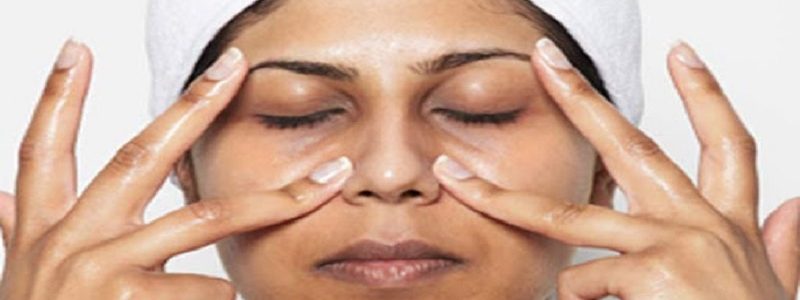
One way to reduce rhinitis is to massage the nose after rhinoplasty. Which largely eliminates rhinitis. It is very effective, especially in meaty noses. In people with wide noses, the shape of the nose is balanced by massage.

Massage can be done in two ways :

1- Nasal massage is the next operation of the nose in order to shape the prominent parts of the nose. In fact, in this type of massage, we put more pressure inward on the prominent areas. . This type of massage must be done by a doctor. First, massage parallel upwards to below the eyebrows. The massage pressure is calmer when the fingers pass along the tip and cartilage of the nose and is stronger when passing through the nasal bones.. This massage lasts for two to three minutes.

2.The second type of nasal massage after nose surgery that 1 یا 2 Day -to -day and when the adhesive is replaced by the patient itself. To reduce the swelling of the nose, the skin sits on its underlying structure, and accelerates and helps the skin to form.

Of nose surgery | Nasal massage after rhinoplasty

Massage method after rhinoplasty

First introduced: First, massage the index finger on one side of the tip of the nose and the index finger on the other side of the tip of the nose.. Massage parallel upwards to below the eyebrows. The massage pressure is calmer when the fingers pass along the tip and cartilage of the nose and is stronger when passing through the nasal bones.. This massage lasts for two to three minutes.
Step two : At this stage, the junction of the nose is massaged into the cheeks or the sides of the nose for a few minutes..
Som introduced : Finally, the massage starts from the top of the tip of the nose and continues upwards with gentle pressure up to between the eyebrows and lasts for a few minutes..

Do not move your nose left or right while massaging. Massage the nose towards the cheeks with the help of your fingers. This exercise of nasal massage is stopped after about two months under the supervision of a nasal surgeon. Such exercises must be under the supervision of a surgeon in order to be done with correct principles..

Duration of nasal massage after surgery

The best time to massage the nose is after bathing and before gluing the nose. You can also massage your nose when you have used nasal glue.

Benefits of nasal massage after rhinoplasty

If the nose massage after the nose operation is done correctly and at the right time and according to the training given by the surgeon. Most often, mild problems in the nose are corrected. Many patients have mild nasal tilt. And by listening to the surgeon's advice and nasal massage, their problems are solved.

Postoperative nasal massage can remove bumps on the nose or crooked nasal bones and in some cases improve swelling of the nose. .

Disadvantages of nasal massage after surgery

It is possible when nasal massage is not done properly after rhinoplasty. Make changes in the shape of the nose. If your nose needs a massage. And if you do not massage it, there may be changes in the shape of your nose. Therefore, you should listen to the surgeon's recommendations for nasal massage after surgery so that there are no problems for your nose..


دکتر مجید راستی

Of nose surgery

Click to follow the latest educational content and office news on Dr. Majid Rasti's Isfahan Rhinoplasty Instagram page.


Suggested content :

Learn how to sleep after a nose job !

The importance of proper nutrition after rhinoplasty

جراحی بینی مردان

The effect of drinking alcohol on rhinoplasty

Weight loss after rhinoplasty

Rhinoplasty and colds

Use of ice after rhinoplasty

Dental composite after rhinoplasty

Nasal stenosis disorder

Nasal stenosis disorder

Nasal stenosis disorder

In fact, you should know that nasal stricture disorder is a respiratory disorder that can. Causes severe nasal congestion, wheezing and shortness of breath. But in this case, most doctors do not consider stenosis of the nasal valve as the main cause of sinus problems..

Performance of two internal and external nasal valves

In the case of narrowing of the nasal valves, which disrupts the breathing process, which leads to breathing through the mouth, snoring and puffiness during sleep, dry mouth and other difficulties.. In fact, the complications of nasal stricture disorder are sometimes not limited to the area and eventually affect the heart, lungs and internal body system.. So in this type of nasal valve stenosis, it is important to discuss your condition with an ear, nose and throat doctor.

Of nose surgery | Nasal stenosis
What do you mean by nasal valves?

There are two small valves on either side of this nose, or more precisely, two narrow nostrils for the airway and air passage.. These two holes are called nasal valves, which are divided into two parts: inner valve and outer valve.. The valves are located in the middle and lower part of the nose.

1-The outer valve contains four parts:

-In the first part of the anterior septum or the lower part of the nasal septum, which itself consists of two parts: cartilage and mucosa.
-Then there is the lateral wall of the nose or the inner part of the nasal fin.
– In the next part, the head of the lower tentacle of the nose, which is in its front part, which has a great impact on the function of the external and internal valves..
-And finally, the bony pear-shaped hole that you see in the image of an empty skull as the place of the nose. .
This next part also affects both external and internal valves.

2-The inner valve consists of two parts:

-The first part of the septum (The blade) Nose from under the nasal bones to near the tip of the nose.
-Next is the upper lateral cartilage that extends from the middle septum below the nasal bone on each side.
In fact, this disease causes narrowing of the nasal valves for any reason, which impairs the respiratory function of the nose, and the surgeon must eliminate it during rhinoplasty..
The most important causes of nasal valve stenosis are::

-Rhinoplasty in the past if the hump was removed

-Nasal trauma or fracture of the nose that causes nasal stricture and inflammation, swollen tissue or excessive scar tissue.
-Congenital defects in the cartilage of the nose, such as narrow nostrils or a wide columella that narrows the nasal valve..

-nose deviation

-Aging The aging process naturally weakens the overall structure of the nose.
Causes of nasal valve stenosis:
1-The previous unsuccessful surgery.
2-Congenital or hereditary problems in the nose structure.
3- Collision blows and fractures of the nose.

Diagnosis of nasal valve stenosis:

However, in any case, the diagnosis of nasal valve stenosis should be made by an ear, nose and throat specialist. . This diagnosis of nasal valve stenosis is made with the help of an endoscopic device inside the office and also taking a history of the patient.. In fact, signs of nasal valve stenosis are possible. Similar to the symptoms of nasal deviation, which will be finalized by a thorough examination and use of an endoscope device.

Treatment of this type of nasal valve stenosis:

You should know that in this type of stenosis of the nasal valves, there is no better treatment than surgery. Rhinoplasty is the best treatment for nasal stenosis. If the narrowing of the nasal passages causes significant symptoms. Surgery to enlarge the inner valve of the nose may be needed. This surgery requires the use of a cartilage extension graft that sits between the upper lateral cartilage and the nasal septum.. In fact, this junction connects the upper and lower edges of the upper lateral cartilage and the septum..
This action should reduce or eliminate the deformity of the vestibule or reverse VV. But it may also widen the arch of the nose and, if not used properly, make it appear wider than usual..

In people with severe nasal canal stenosis. Different cartilage grafts may be needed to strengthen the weak nasal wall. Nasal wing extension grafts are commonly used, which come in several shapes and species.
In fact, the cartilage grafts of the nasal wing and the cartilage grafts of the floor of the nostrils are grafts.. Which are used to strengthen the nasal airway in the narrow part of the nostrils. In this part, soft triangle connections will also play a role in improving respiratory flow through the external nasal valve..
Nasal valve stenosis can be complex and requires a physician to be experienced and controlled in a variety of ways. To succeed in repairing it. But for people with narrowed nasal passages, this process can really change their lives.


دکتر مجید راستی

Of nose surgery

Click to follow the latest educational content and office news on Dr. Majid Rasti's Isfahan Rhinoplasty Instagram page.


Suggested content :

Learn how to sleep after a nose job !

The importance of proper nutrition after rhinoplasty

جراحی بینی مردان

The effect of drinking alcohol on rhinoplasty

Weight loss after rhinoplasty

Rhinoplasty and colds

Use of ice after rhinoplasty

Dental composite after rhinoplasty

Complications of rhinoplasty with grafts

Complications of rhinoplasty with grafts

Complications of rhinoplasty with grafts

Some complications of rhinoplasty with grafts :

1- تورم :

You should not be surprised if your nostrils swell after rhinoplasty and grafting . It is also associated with bruising, bleeding, and infection .
Nasal edema improves after a while and its appearance gradually changes over the months, so you 10 تا 12 The first month should not be very sensitive to your nose .

2- اسکار :

In some surgeries, a cut incision is made . It is called a scar instead of a wound . In some cases, the color of the scar may be slightly different from the color of the skin . To disappear these items around 6 تا 9 The month is required so don't worry .

Of nose surgery | Complications of rhinoplasty with grafts

3- Numbness in the tip of the nose

4-Asymmetry of the nose :

After surgery, asymmetry in the nose is one of the most common complications of rhinoplasty with grafts, which mostly occurs in the operation of noses that have deviations, so patients turn to the second operation of the nose. .

5- Delay in the recovery process :

In most cases, the patients' recovery process is a bit slow and this worries the patient . This is more common in people who smoke and people with chronic diseases .


6- Allergic reactions

7- Abnormal breathing :

In most cases, the patient may not be able to breathe normally after surgery. In these cases, he should use nasal sprays. .

8-Nasal septum problems

9- Oscar necrosis :

Scar necrosis means thickening, redness and tightening of the skin . This may happen to the part of the skin that is being cut . If the scar tissue is growing, do not worry at all, because they can be treated with steroid injections. .

10- Failure of skin graft

11- Dissatisfaction with the result of the action

The above is a complication of rhinoplasty .


دکتر مجید راستی

Of nose surgery

Click to follow the latest educational content and office news on Dr. Majid Rasti's Isfahan Rhinoplasty Instagram page.


Suggested content :

Learn how to sleep after a nose job !

The importance of proper nutrition after rhinoplasty

جراحی بینی مردان

The effect of drinking alcohol on rhinoplasty

Weight loss after rhinoplasty

Rhinoplasty and colds

Use of ice after rhinoplasty

Dental composite after rhinoplasty

Rhinoplasty

Rhinoplasty

Rhinoplasty

It is done for people who have a respiratory problem or their nose is too small and does not fit their face. In most cases, the small size of the nose is due to previous surgeries. In nasal surgery, care should be taken not to make the nose too small and to fit the dimensions of the face.

Rhinoplasty does not really mean that the nose is too large; In nose enlargement and nose surgery, the fit of the nose to the dimensions of the person's face should be considered. This surgery is performed using a cartilage graft. In other places, such as the cartilage behind the ear and other parts of the cartilage is removed and attached to the nose..

*Increase the height of the nose

In fact, increasing the height of the nose is the same as enlarging the nose. By removing cartilage from other parts of the body and transplanting them to the nose, the height of the nose is increased. Increasing the height of the nose is done for two reasons: the nose is too small and respiratory disorders.

*Cartilage transplantation into the nose

In rhinoplasty, the cartilage is transplanted into the nose due to an increase in the height of the nose. Most people have cartilage-to-nose transplants due to previous surgeries, genetic causes, trauma, and respiratory disorders.. Due to the inflexibility of the bone and its absorption, intraocular cartilage transplantation has priority over bone..

In rhinosurgery, the surgeon uses the person's own cartilage to transplant the cartilage into the nose. The best source for nasal cartilage transplantation is the cartilage behind the ear. When the cartilage behind the ear is used to transplant cartilage into the nose, it does not change the appearance of the ear and does not interfere with the hearing system..

Of nose surgery | Rhinoplasty

Complications of cartilage transplantation into the nose


In rhinoplasty, infection is one of the complications of cartilage transplantation to the nose. In noses that use artificial cartilage to increase height, a severe infection develops in the nose over time, and there is a possibility that cartilage may protrude from the skin of the nose. . Another complication of cartilage transplantation to the nose is that it is absorbed by the body over time and the nose returns to its original state. This problem usually does not occur when the cartilage is removed from the person's body to transplant cartilage into the nose.

Postoperative care Enlargement of the nose

Postoperative care for nose augmentation can greatly help improve the outcome of a nose transplant.
1- Avoid driving on the day of surgery.
2- To sleep, keep your head above your body and be careful not to put pressure on your nose during sleep.
3- Avoid drinking liquids using a straw.
4- Avoid doing heavy work.
5- Avoid acidic fruits on the day of nose enlargement surgery.
6- Care should be taken not to hit the nose.
7- Avoid water sports for up to two months after a nose job.
8- Avoid smoking and drinking alcohol.

The cost of the nose enlargement operation

The cost of a nose job is not known and depends on many factors. There may be various insurances when nose surgery has a therapeutic aspect. Factors that affect the cost of rhinoplasty include the type of nose and its small size, the doctor's specified salary, the anesthesia team, the salary of the doctor's assistants and the hospital expenses..


دکتر مجید راستی

Of nose surgery

Click to follow the latest educational content and office news on Dr. Majid Rasti's Isfahan Rhinoplasty Instagram page.


Suggested content :

Learn how to sleep after a nose job !

The importance of proper nutrition after rhinoplasty

جراحی بینی مردان

The effect of drinking alcohol on rhinoplasty

Weight loss after rhinoplasty

Rhinoplasty and colds

Use of ice after rhinoplasty

Dental composite after rhinoplasty

Rhinoplasty for diabetics

Rhinoplasty for diabetics

Rhinoplasty for diabetics

Rhinoplasty for diabetics may be associated with limitations and complications. Diabetes is a relatively common disease. Which can affect people of any age group. Performing surgery by the best rhinoplasty specialist can ease your mind about complications. Do people with diabetes. Can they have rhinoplasty? Are there any risks in surgery for diabetics?

Given that rhinoplasty can have a beneficial effect on facial beauty. And boost people's self-esteem, has many applicants, including diabetics.. If you also want to improve your appearance. And get involved with diabetes, you are the target of this article. In this article, we have tried to examine the complications and limitations created after this disease for people who intend to have rhinoplasty.. So join us

Are there any limitations to rhinoplasty for diabetics?

While any type of surgery in diabetics carries a higher risk of complications. This does not mean that rhinoplasty is not possible for diabetics. A person with diabetes can do this with the advice of a doctor.

Risks of Rhinoplasty for Diabetics

Overall, one of the biggest risks for people with diabetes who are about to have surgery. That is, high blood sugar levels interfere with the body's ability to heal. A study published in October 2013 in the journal Plastic Surgery and Reconstruction (Plastic and Reconstructive Surgery) Published with a study of more than 200 people. Showed that patients with high blood sugar, after surgery, are likely to experience complications in the process of healing their surgical wounds.. Anesthetics may interfere with high blood sugar and have adverse and dangerous effects..

The effect of surgery on blood sugar levels

Putting stress on the body can affect blood sugar levels. In periods when the body experiences a lot of stress. More glucose is produced. Rhinoplasty for diabetics or any other surgery can cause mental and physical stress in the body. Which affects blood sugar. Normally, when the source of stress disappears, hormones return to normal.. And blood sugar levels return to normal before stress. When a patient has diabetes and is exposed to a source of stress - such as surgery- Conditions do not return to the preoperative state as they should be. The excess sugar produced is not absorbed by the body and as a result the blood sugar level rises.

Of nose surgery | Rhinoplasty for diabetics

Necessary measures in the process of rhinoplasty for diabetics

While controlling blood sugar levels before surgery is important in people with diabetes. It is necessary for the patient to follow the instructions of the treating physician and surgeon to control the level of blood sugar during the operation. During rhinoplasty, the surgeon checks the patient's blood sugar. And the anesthesiologist uses substances. Which did not cause a disturbance in blood sugar levels.

The process is known as rigid control. It can help reduce the risk of high blood sugar during the procedure. Precise or strict control is usually performed on patients with type 1 diabetes and often involves the use of insulin to manage blood sugar levels..

The goal of applying the precise diabetes control process in rhinoplasty to diabetics is to control the preoperative conditions that cause. The body's response to stress is reduced, thus eliminating the possibility of fluctuating blood sugar levels. To reduce the possible side effects, if the treating physician thinks, the person may be treated with a special diet some time before the operation..

If you have diabetes and are considering rhinoplasty, it is necessary due to the existing restrictions. Before surgery, talk not only to a specialist plastic surgeon, but also to your doctor about pre- and post-operative care.. This coordination makes you see the best results with the least side effects.


دکتر مجید راستی

Of nose surgery

Click to follow the latest educational content and office news on Dr. Majid Rasti's Isfahan Rhinoplasty Instagram page.


Suggested content :

Learn how to sleep after a nose job !

The importance of proper nutrition after rhinoplasty

جراحی بینی مردان

The effect of drinking alcohol on rhinoplasty

Weight loss after rhinoplasty

Rhinoplasty and colds

Use of ice after rhinoplasty

Dental composite after rhinoplasty

Redness of the eyes after rhinoplasty

Treatment of nasal hump after rhinoplasty

Correction of nasal fins in nasal surgery

Nasal adhesions after nasal surgery

What is nasal necrosis?

What is nasal necrosis?

What is nasal necrosis?

What is nasal necrosis?

The problem of some patients after rhinoplasty is blackening of the nose or necrosis and these people are worried about the outcome of the surgery.. Of course, this complication is a very rare problem due to underlying disorders in the patient. In the following article, we will first introduce nasal necrosis and its causes, as well as its treatment and prevention. What is nasal necrosis? :

Nasal necrosis

Necrosis or darkening of the skin means the loss of living tissue, the amount of which depends on the size of the tissue. When, for any reason, the blood does not reach the tissues of the body and does not receive oxygen, it disappears and turns black.. Spot necrosis does not damage the nose, but if it reaches the nasal bone, it affects the outcome of surgery.

Of nose surgery | What is nasal necrosis?

What causes nasal necrosis after surgery?

Nasal necrosis after surgery may be due to one of the following reasons:

  • Vascular disorders
  • Intranasal infection
  • Side effects of injecting and taking Rakutan before rhinoplasty
  • Excessive manipulation and destruction of nasal tissue by the surgeon
  • Injecting a non-standard gel into the nose or large amounts in the wrong place
  • جراحی ترمیمی بینی
  • استعمال دخانیات

How can nasal necrosis be prevented?

The only way to prevent nasal necrosis after rhinoplasty is to remove the layer of fat from the patient's skin correctly, because too much of it will disrupt the blood supply to the nasal skin and the pressure from the splint and glue will cause nasal necrosis..

What is the treatment for nasal necrosis?

Treatment of necrosis depending on the damaged tissue may be complicated and the patient may have several surgeries. The surgeon tries to replace the necrotic tissue with normal body tissue and uses other parts of the body such as the ear cartilage or rib cartilage.. In some acute cases, if a large part of the nose is lost, the surgeon will replace it with a prosthesis. Of course, there are some conditions for using a prosthesis, and that is that the injured area is completely repaired and the nose is not infected.. Any change in color and blackness of the skin does not mean necrosis, but sometimes this complication is due to anemia and temporary, and the necrotic tissue is gradually repaired..

In general, it is necessary to wait to determine the extent of necrosis, and if the vessel is under pressure, this pressure should be removed with reconstructive surgery..


دکتر مجید راستی

Of nose surgery

Click to follow the latest educational content and office news on Dr. Majid Rasti's Isfahan Rhinoplasty Instagram page.


Suggested content :

Learn how to sleep after a nose job !

The importance of proper nutrition after rhinoplasty

جراحی بینی مردان

The effect of drinking alcohol on rhinoplasty

Weight loss after rhinoplasty

Rhinoplasty and colds

Use of ice after rhinoplasty

Dental composite after rhinoplasty

Redness of the eyes after rhinoplasty

Treatment of nasal hump after rhinoplasty

Correction of nasal fins in nasal surgery

Nasal adhesions after nasal surgery

Nasal adhesions after nasal surgery

Nasal adhesions after nasal surgery

How is nasal adhesion after rhinoplasty?

You should know that in the nasal mucosa, by covering the surface inside the nose and sinuses and secreting special substances, it regulates the amount of moisture inside the surface of the nose and sinuses. . Here the nasal mucosa plays a very important and special role in improving the function of the nose. In fact, nasal adhesions after rhinoplasty are one of the complications after rhinoplasty. It can be said that this postoperative nasal adhesion has a direct relationship with the nasal surgeon. And if the surgeon over-manipulates the patient's nose and airways during rhinoplasty. There is a possibility of nasal adhesions.

Cause of postoperative mucosal adhesion

In cases after rhinoplasty, they suffer from problems such as nasal adhesions . If the surgeon manipulates the nasal beauty during the operation too much, the nasal mucosa will be damaged and injured. If the nasal mucosa is injured, the nasal mucosa will stick together during repair and cause nasal obstruction or congestion. .

Here, the most important cause is postoperative mucosal adhesion and removal of the nasal mucosa during surgery or severe damage to it during surgery..

This adhesion is actually due to the middle septum of the nose sticking to the side walls of the nose. And it makes the person feel more short of breath. Also in cases where the patient does not use medications prescribed by a doctor such as antibiotics. He has an infection and this infection also causes adhesions in the nose. But problems such as nasal congestion are not permanent. And will be removed by reconstructive nose surgery.

Of nose surgery | Nasal adhesions after nasal surgery

What is postoperative nasal adhesions?

In short, this nasal adhesion after surgery is one of the most common complications of rhinoplasty.. Which causes respiratory problems on one or both sides of the nose. In fact, the most important cause of this nasal adhesion after surgery is the destruction of the mucous layer inside the nose, failure to repair incisions and surgical wounds that cause adhesions in the nose. It becomes after surgery . In fact, shortness of breath, nasal congestion, and respiratory problems are the most important signs of nasal adhesions after surgery..

Treatment of postoperative nasal adhesions :

Your doctor will sometimes need a CT scan to determine the cause of the adhesion. To treat nasal adhesions through reconstructive surgery, a systolic layer is placed inside the nose for a week. By placing this layer inside the nose, the adhesion is cut off and the two sides of the nose are prevented from coming close to each other. In the meantime, the nasal mucosa and its inner lining have been repaired. And with the improvement of respiratory problems, the systolic layer is removed from inside the nose.


دکتر مجید راستی

Of nose surgery

Click to follow the latest educational content and office news on Dr. Majid Rasti's Isfahan Rhinoplasty Instagram page.


Suggested content :

Learn how to sleep after a nose job !

The importance of proper nutrition after rhinoplasty

جراحی بینی مردان

The effect of drinking alcohol on rhinoplasty

Weight loss after rhinoplasty

Rhinoplasty and colds

Use of ice after rhinoplasty

Dental composite after rhinoplasty

Redness of the eyes after rhinoplasty

Treatment of nasal hump after rhinoplasty

Correction of nasal fins in nasal surgery