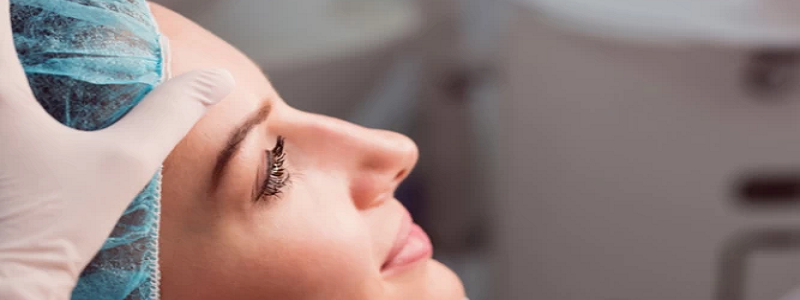
The reason for not regaining consciousness after nose surgery

The reason for not regaining consciousness after nose surgery

Can nose surgery cause death?

Not regaining consciousness after nose surgery | You must have heard that every good action may have a bad side. Nose surgery There is no exception to this rule. At رینوپلاستی also (Like any other type of surgery that requires anesthesia)The possibility of not regaining consciousness after عمل بینی وجود دارد. In other words, there is always a risk of death Nose surgery It will be there during the operation.

In this article, while examining the percentage of death in Nose surgery, we address the issue that عمل بینی Who is it dangerous for?.


Readable and informative content دکتر مجید راستی Of nose surgery :


Factors increasing the probability of death in nose surgery

While there is always a risk of death, this risk varies greatly between types of surgery and patients. Personal health history (including diabetes, Respiratory problems and history سیگار کشیدن), age, weight, family health history and general health status directly affect the probability of death عمل بینی Affect.

Of nose surgery | The reason for not regaining consciousness after nose surgery .

What are the most important causes of nose surgery death?

Risk of death in Nose surgery It is less for a healthy person than for an unhealthy person. A person with an infection is more at risk than an uninfected person. The risk of death due to cnasal passage It is more common in smokers than in non-smokers. While inactivity can be considered as one of the important causes of death Nose surgery named.

In addition, a history of problems during anesthesia in the past increases the possibility of complications in subsequent anesthesias.. Even in some cases, if a close family member has problems in this area, this problem may appear in other people as well..

One of the serious reactions to anesthetic drugs is malignant hyperthermia (malignant hyperthermia) which causes the patient to develop a very high fever when exposed to anesthesia. In these cases, the skill of the anesthesiologist can increase the probability of death Nose surgery This in itself can lead to increased inflation. However, it should be noted that death during and immediately after surgery is usually a result of a reaction to anesthesia..

According to all the things we mentioned, usually death from Nose surgery It is rare and occurs when the body has an adverse reaction to anesthetic drugs or after surgery.. Although infection can also be one of the important factors.

What is the probability of death in nose surgery?

Some people ask, "What is the death rate in reconstructive rhinoplasty?" Or some look for the possibility of death due to this surgery. Response to the possibility of death from the effect Nose surgery It is like answering the question whether driving causes death.

In fact, the more experience the doctor has, the less likely it is. In general, due to anesthesia or dysfunction of hospital devices and equipment, such as oxygen deficiency, anesthesia ventilation system malfunction, etc., death may occur due to Nose surgery to occur. Try to be smart in choosing a doctor and hospital.

What is the reason for not regaining consciousness after nose surgery?

The reasons for not regaining consciousness may be the use of anesthetic drugs in people suffering from heart problems, diabetes, respiratory problems, kidney diseases, digestive system and endocrine glands, brain injuries, etc.. For this reason, these drugs should be used by a specialist doctor with complete caution.

Is nose job dangerous?

In rhinoplasty, the goal is to narrow the lower part of the nose as much as possible. To achieve this goal, you can have a narrower nose by applying pressure on the thick and fatty cartilage of the middle blade.. If too much cartilage is removed due to the possibility of irreversible complications and permanent skin damage meaty nose job It can be dangerous.


Complication of nasal adhesion after nose surgery

Complication of nasal adhesion after nose surgery

Nasal adhesions after rhinoplasty

Nasal adhesions after surgery, which is called Sinica in medical terms (synechiae) It is also said to be a minor and common complication in rhinoplasty surgery. In fact, this complication is the opposite of the loosening of the nose after surgery

Since this problem may cause breathing problems for the patient, we decided to discuss in this article the reason for post-operative adhesion and its treatment..


Readable and informative content دکتر مجید راستی Of nose surgery :


What is the cause of adhesions after surgery?

Nasal adhesion As the name suggests, the sides of the nose stick to the middle blade.. This adhesion causes that the air flow is not well established and the person has breathing problems. This may happen for a number of reasons, including::

  1. Damage to the cells of the nasal mucosa due to the lack of attention of the surgeon
  2. Post-operative infection due to not taking prescribed medications
  3. Non-healing of intranasal wounds
  4. Creating extra meat inside the nose
  5. The strong insistence of the patient to shrink the nose as a result of removing too much cartilage by the plastic surgeon

Of nose surgery | Complication of nasal adhesion after nose surgery

What are the symptoms of adhesions after surgery?

  • Respiratory problems
  • Shortness of breath
  • گرفتگی بینی
  • Sometimes a disturbance in smell

What is the removal of adhesions after the operation?

Before doing anything, you should visit a nose surgeon to make sure of the adhesion of the nose. Next, the doctor will take action to fix it based on the area where the adhesion has occurred. In mild cases, this is done under local anesthesia. But in more severe cases, re-surgery and cartilage grafting will be required by a reconstructive nose surgeon.

When should you see a nose surgeon?

Nasal adhesions after surgery in most cases are caused by the doctor's weakness in using surgical techniques. Although in most cases it improves with time, but in case of breathing problems and shortness of breath, you should see a nose surgeon as soon as possible..

What does nasal adhesion mean?
Removal or damage to the nasal mucosa and as a result the side of the nose sticks to its blade

What are the symptoms of nasal congestion?
The most common symptom is breathing disorder and stuffy nose

Is nasal congestion dangerous?
No, but it must be treated

Treatment of nasal congestion

The doctor, by ordering a CT scan, diagnoses the cause of this complication after the surgery and performs a reconstructive surgery to treat it.. In reconstructive nose surgery, in order to solve this problem, the surgeon places a silastic layer inside the nose, which prevents the two sides of the nose from coming together and cuts off the adhesion..

The silastic layer should remain in the nose for a week. During this interval, the nasal mucosa and its inner lining are repaired, and after the patient's breathing problems improve, the silastic layer is removed from the inside of his nose..

9 How to get rid of bruises after nose surgery

9 How to get rid of bruises after nose surgery

9 A way to treat bruising after nose surgery

Bruising after nose surgery | One of the main concerns of those who رینوپلاستی do کبودی Next is the nose job. Since these bruises and swellings make the face look ugly, we all want to minimize them or get rid of them as soon as possible.. So if you are looking for a quick fix کبودی If you are after nose surgery, be sure to read this article carefully until the end.


Readable and informative content دکتر مجید راستی Of nose surgery :


Of nose surgery | 9 How to get rid of bruises after nose surgery .

How to get rid of bruises after nose surgery?

We said that a bruised nose is a natural and very common complication that most beauty seekers experience. But in the following, we present some solutions that are very effective in treating swelling and bruising after nose surgery. After the operation, specialist جراح بینی A leaflet with instructions such as the following for home care, which can be effective in reducing bruising after rhinoplasty. These items include:

Another way to treat bruises after nose surgery is to eat foods and drinks containing vitamins, especially vitamin K. Research has shown that consuming pineapple and celery juice are very useful for bruising after nose surgery. Also, iron-containing foods such as spinach can be effective in healing wounds and bruises by increasing blood supply..

  • Using ointments and creams after nose surgery

You can also follow Of nose surgery Use ointments and creams after rhinoplasty:

۱. Lazonil ointment to remove bruises after nose surgery
Use of lazonil ointment (ON LASON) On the skin, it causes the blood supply to the inflamed tissues to increase, which will remove the bruises and swelling of the face after nose surgery..

۲. Hirodoid cream to remove bruises after nose surgery
Hydroid topical cream and gel (Hirudoid) Due to their anticoagulant properties, in addition to reducing pain and inflammation, they can destroy blood clots under the skin and reduce bruises..

۳. Sicastim Arnica cream
Arnica cream (Cicastim Arnica Soothing Cream) It is also a cream for removing bruises after nose surgery with its restorative properties, which is effective in removing inflammation and bruises caused by nose surgery..

  • Anahil tablets to remove bruises after nose surgery

Anahil tablets (Anaheal) One of the most popular types of pills for removing bruises after nose surgery is prescribed by almost all surgeons after surgery.. This capsule contains bromelain, which is very beneficial in removing and reducing bruises and dead blood.

Of nose surgery | رینوپلاستی ثانویه

How long does bruising last after nose surgery?

In order to get more familiar with the process of bruising and its length, below is a breakdown from the first day to two weeks after the operation.. The important thing is that the results listed in these time frames are not the same for all patients, and the intensity of bruising and recovery time are different for each one..

After surgery

Note that bruising after the operation does not happen to everyone. But those who are prone to bruising will face its effects immediately the day after the operation. Usually, the severity of these bruises is more intense 2 to 4 days after the operation and is more under the eyes than other parts.. Its color gradually turns dark blue and sometimes purple.

3 to 5 days after nose surgery
After the first few days, the bruises should lessen and gradually lighten to green or yellow in color.. Of course, if the intensity of the bruise is high, this healing process and color change may happen later. But in most cases, the purple color fades after 5 days.

1 to 2 weeks after nose surgery
It is expected that one week to 10 days after the operation, the bruises will decrease and the color will be between pale brown and yellow.. In the following, after two weeks, the bruise is completely removed. In severe cases, there should be very few traces left after two weeks so that it can be covered with a layer of makeup.

When should we see a doctor?

Bruise later عمل بینی It is not a serious problem in itself and can be solved with patience and recovery. But if you feel pain in the eye area along with bruises, or if you experience nausea, dizziness, fever, severe weakness, and visual impairment, definitely see a doctor. Of nose surgery See.

Tilting of the tip of the nose after rhinoplasty

Tilting of the tip of the nose after rhinoplasty

The cause of the crooked tip of the nose after cosmetic surgery and its treatment

Tilting of the tip of the nose | One of the common reasons that causes a person to undergo cosmetic surgery is a crooked nose. In some of these categories of people, the crookedness is more noticeable at the tip of the nose and is considered the main cause of nasal deformity. But sometimes this may happen after surgery, and instead of improving the shape of the nose, you will face a crooked tip after cosmetic surgery..

What is the reason for the tip of the nose to be tilted after the operation and how can it be eliminated? This is the subject of this article, which I suggest you read until the end..


Readable and informative content دکتر مجید راستی Of nose surgery :

Of nose surgery | Tilting of the tip of the nose after rhinoplasty

The main causes of tilting the tip of the nose after surgery

As in the article about nose tilting after surgery (Displacement of nasal cartilage) We said that there is a 5% chance that the nose will become crooked after each surgery. This asymmetry may be in the bony part or happen in the tip of the nose. In that article, we explained in detail the causes and ways of treating crooked nose, but in the following, we will discuss the causes of crooked nose only in its tip..

In general, a nose surgeon says that the tip of the nose is crooked (Crooked Nose Tip) If we draw a symmetrical line from the middle of the forehead to the chin, the tip of the nose deviates to one side. Or in other words, it is outside the center of this line.

Contrary to the crooked nose in the bone or the deviation of the nose, the tip of the crooked nose is clearly visible . and easily recognizable. This causes asymmetry . that the whole nose looks crooked and from where it gives an ugly shape to the face. It is a good reason for cosmetic surgery. However, in most cases, the tip of the nose is congenital or is caused by an accident. But unfortunately, it has been observed that it has also occurred after nose surgery.

Weak surgeon

Unlike the middle part, the tip of the nose is made up of only cartilage . And it cannot be repaired by breaking bones. As a result of removing its abnormalities and giving a proper shape to the tip of the nose, the rhinoplasty doctor plays the main role. In fact, if he cannot use the right techniques. and use the necessary delicacy, the tip of the nose is not in the center and is tilted.

The main causes of nose tip tilting after cosmetic surgery caused by the surgeon are::

  1. Removal of excess cartilage.
  2. Working too much on one side of the nose.
  3. Weakness or asymmetry of the blade and deviation of the cartilage to one side.

تورم

Usually if in the first weeks after the operation جراح بینی Visit yourself and ask the cause of the tip of the nose tilting after the operation, he will undoubtedly tell you that it is normal.. Because the nose has severe swelling for several months, which causes the original shape of the nose to remain hidden.

Although six months after the surgery, these swellings subside to a large extent in the bridge of the nose, but the tip of the nose is still swollen.. Because, as we said before, the tip of the nose is cartilaginous, and its swelling disappears later than the bone.. Therefore, one should wait at least a year to make a conclusion about whether it is tilted or not.

Of nose surgery | What is clip nose or staple nose?

Congenital asymmetry

Observed in some people, the crooked tip of the nose does not disappear completely . And he cannot fix it 100%. These people include the following groups: 6 groups in which the crooked nose does not disappear 100% after the operation:

  • People with congenital crooked nose.
  • Patients with cleft palate and lip.
  • Those who have severe nasal deviation.
  • People whose nostrils are asymmetrical.
  • Patients whose two sides of the face are not similar.
  • People who need to rotate the tip of the nose. (Like those who have a droopy nose tip.)

Lack of necessary care after the operation

If you read the other content of the site that is about nose surgery. You realize that one of the main causes of post-operative abnormalities is not paying attention to care tips.. Because the nose is a sensitive organ where almost all human tissues are located. As a result, by manipulating it, each of these tissues will show a reaction . which needs to be taken care of until complete recovery.

Also, since this organ is in the center of the face, it is more possible to be injured and injured than other parts. In addition, we should not forget that the main job of the nose is breathing . This causes reactions such as sneezing, coughing and even eating to cause pressure on it. Therefore, following the care points after the operation has a great effect on improving the appearance of the nose.

The basic shape of the nose

Another reason for the crooked tip of the nose after surgery is related to the original structure and shape of the nose. It has been observed in those who have a fleshy nose or the skin of the tip of the nose is very thick, the possibility of crooked nose is more in them..

Of nose surgery | Successful nose surgery.
What should we do to prevent the crooked tip of the nose after surgery?

The best way to prevent the tip of the nose from tilting after cosmetic surgery is precision and obsession in choosing a specialist Expert nose surgeon and experienced. Because it has been abundantly seen that they were caused by a careless surgeon or an unspecialized doctor . that the beautician will have many problems after the operation. So research as much as you can . up to one Good nasal surgeon Find your nose job.

After the operation, be sure to follow the care tips that the doctor wants. Note that nose job does not hurt, contrary to popular belief . And after the first few days and the cast is removed, you're back to your normal routine. But post-operative care and visits to the doctor continue for several months . And in fact, the difficulty is in this matter.

When should you see a doctor?

Bending of the tip of the nose after cosmetic surgery is one of those side effects . which causes frustration, depression and severe protest of the patient. Because it is related to the beauty and appearance of the nose . And such abnormalities can cause the surgeon and his final work to be questioned.

But our advice is to be patient before doing anything . And know that most of these defects and problems are temporary after the operation. With the passage of time and reduction of swellings, the nose takes on a better shape and its initial defects are removed. So it is better to trust your doctor and wait.

Reasons for displacement of nasal cartilage after surgery

Reasons for displacement of nasal cartilage after surgery

Causes of displacement of nasal cartilage after surgery and its treatment method

One of the common problems that beauticians may face is the displacement of the cartilage of the nose after surgery. This issue is one of the main reasons for the patient's concern about the result of the operation, to the extent that sometimes he is concerned about the doctor جراح بینی They also become pessimists. Therefore, in order to solve these concerns, in this article, we have first explained the causes of nasal cartilage protrusion after surgery. . Then we have explained the most important way to treat it, which is nasal massage


Readable and informative content دکتر مجید راستی Of nose surgery :


Of nose surgery |Displacement of nasal cartilage after surgery .

What is the cause of displacement of nasal cartilage after surgery?

According to most doctors, رینوپلاستی It is one of the most challenging beauty procedures in the world. Because in that nose surgery doctor is dealing with an organ consisting of all kinds of tissues along with bone. It is difficult to be able to act in such a way that despite the manipulation of these tissues, the final shape and structure of the nose is natural and beautiful. . And it requires the skill and mastery of the surgeon.

One of the most important tissues, its modification and modification has the main and essential role in beautifying the nose, it is the nasal cartilage.. Any displacement and wrong removal of the cartilages causes . that there are some types of unevenness on the nose after the operation, which is sometimes more difficult and complicated to repair and correct than the initial operation. It is better to understand this better . First, get to know the anatomy of the nose and the location of the cartilages.

Types of nasal cartilage

The structure of the human nose is designed in such a way . The upper part of the nose is bone and the lower part is cartilage . And at the end, several layers of skin cover it. In most nose surgeries, the main goal is to correct the cartilages and in some cases to change the nasal septum bone. These cartilages are::

  1. Nasal septal cartilage
  2. Lateral cartilage
  3. Smaller alar cartilage
  4. Greater alar cartilage

Why do nasal cartilages move after surgery?

The surgeon tries to perform rhinoplasty . By using surgical techniques through changing, strengthening, moving and reducing these cartilages, in addition to improving breathing, it gives beauty to the shape of the nose.. The important point is that to prevent displacement of the nasal cartilage after the operation, they must remain in place. But sometimes this does not happen due to one of the following reasons . And in the term, the cartilage of the nose is moved.

Of nose surgery | Tilted nose surgery

Reasons for displacement of nasal cartilage after rhinoplasty

medical error

The most important reason for this should be the weakness and mistake of the nose surgeon. Because today there are many new methods and methods of nose surgery in the world . If the surgeon is professional and skilled, the possibility of such mistakes and complications is almost impossible.

In some cases, it has been observed that the doctor has removed or changed a lot of nasal cartilage because of the patient's insistence on a certain model or wrong technique or lack of knowledge.. This causes the structure of the nose to weaken and the cartilages to become unstable . and the result of cartilage displacement.

Unprincipled massage of the nose

Massage therapy is one of the ways to reduce swelling after surgery . If it is not done correctly, it can cause displacement of the nasal cartilage after the operation. Therefore, it is recommended to avoid arbitrarily massaging the nose . And be sure to ask your doctor about the correct way to do this.

Failure to observe post-operative care tips

We can safely say that most of the problems and complications after the operation, if not related to the surgeon . It is due to not doing or negligence in following the recommended care after surgery. Because for a few months after the operation, the structure of the nose is very fragile and weak. As a result, the slightest carelessness or impact can cause a change in shape or problems.

Therefore, it is necessary until the nose regains its initial strength and resistance . He was careful that no accident happened to it. wearing glasses, pressing, impact, accident or any other damage are among the cases . which can cause displacement of the cartilage or change the shape of the nose after the operation.

It should not be forgotten here that the swelling of the cartilages may be confused with their displacement. But it is not. During surgery, accidental reactions occur due to cartilage cutting and manipulation . which is normal and these swellings are caused . It seems that the cartilage is not in place or the nose is crooked. But after the swelling subsides and the main shape of the nose is determined, there will be no more of these problems.

Symptoms of displacement of nasal cartilage after surgery

Now, how do you know that the cartilage of the nose is displaced? There are different ways to detect the displacement of nasal cartilage after surgery. The most important of these ways are::

  • Pain when touching the nose
  • Changing the shape of the nose in one area (Indentation, protrusion)
  • Excessive swelling in one part of the nose
  • Breathing disorder
  • Increased secretion of mucus from the nose, especially in case of inhaling allergenic irritants
  • Sometimes nosebleeds
  • Bruising around the eyes and nose

Of nose surgery | Tilted nose surgery

Treatment of displacement of nasal cartilage after surgery

In order to avoid this abnormality, like other irregularities and complications after rhinoplasty, you should wait until the swellings are asleep and the recovery period is over.. After this period, the reconstructive nose surgeon will determine whether cartilage displacement has occurred or not.

Because sometimes it has been observed that the patient feels and imagines stiffness and lumpiness by touching the nose . which is displacement of cartilage. But this is not the case and stiffness, especially at the tip of the nose, is normal for a long time after the operation . And only a specialist can find out if it is a problem or not.

But if the nose surgeon comes to this conclusion . that the cartilages have problems or are not in place . Unfortunately, there is no way except reconstructive surgery. Because in this case, the structure of the nose has a problem . And in order to put the cartilage in its place and fix the defects that have occurred, open surgery should be performed.

Nose massage and cartilage displacement after nose surgery

Usually two to three weeks after the operation, when the external sutures are pulled and the nasal cast is removed . The doctor starts massaging the nose. This can be very useful if done correctly . But if it is not done correctly, it will cause displacement of the nasal cartilage.

Benefits of nasal massage

The biggest benefit of nasal massage is in improving the appearance of the nose and the result of the operation. Because after removing the cast, bones tend to move a lot . This may also affect the cartilages of the nose. Therefore, this can be prevented with massage. Also, nasal massage is one of the best ways to reduce swelling after surgery.

Complication of nasal passage narrowing

Complication of nasal passage narrowing

Nasal stenosis (Nasal valve stenosis)

Nasal valve stenosis, or nasal passage stenosis, occurs when the nasal valve, which is the narrowest part of the airway, becomes weak and capsizes into the airway during breathing.. This may affect one or both sides of the nose, causing nasal passage obstruction and difficulty breathing.

This article is about nasal congestion (Nasal valve stenosis) It examines the symptoms, causes, complications and what to do with nasal congestion. Stay with us.


Readable and informative content دکتر مجید راستی Of nose surgery :


Of nose surgery | Not having a sense of smell and taste after nose surgery

Where does the nasal passage go?

Your nasal passages, also called sinuses, are the hollow spaces in your skull around your nose, cheeks, and forehead.. These cavities act as a filtration system to your lower airways (For example, the throat) It leads and acts as a passage for the discharge of mucus.

The area just inside the nostril that leads into the nasal cavity. The nasal vestibule is supported by nasal cartilage and lined with tissue that contains small, well-organized hairs.. These hairs help filter dust, sand, and other particles to prevent them from entering the lungs.

How is nasal valve stenosis?

There are two types of nasal valve stenosis: Domestic and foreign.

  • Stenosis of the internal nasal valve

The internal nasal valve is the better known of the two and is often called the nasal valve. This part of the nasal valve is responsible for the largest part of the nasal resistance and between the skin and the respiratory epithelium (A lining of the respiratory tract that functions to moisten and protect the respiratory tract) contract.

  • Stenosis of the external nasal valve

External nasal valve by columella (A piece of skin and cartilage that divides your nostrils), the floor of the nose and the edge of the nose are made.

The type of nasal valve stenosis you are diagnosed with depends on which part of the nasal valve is most narrowed. Nasal valve collapse can occur on one or both sides of the nose and affect its function. If it's only on one side, you can probably continue to breathe through your nose to some extent. If it occurs on both sides, your nasal airway is more likely to be completely blocked.

Causes of nasal valve stenosis

  1. Nasal valve stenosis may result from previous nasal surgery that removed part of the supporting tissue of the nose, which may lead to nasal valve collapse and stenosis..
  2. It may be the result of deviated septum in the nose.
  3. Genetic problems
  4. old age
  5. Injury and trauma caused by an accident or conflict and...

Of nose surgery | Rhinoplasty surgery

Narrowing of the nasal passages, how to operate the nose?

There are different surgical techniques. Your rhinoplasty doctor can help you determine which procedure is best for you. This largely depends on the nose surgeon's preferred procedure, your particular situation, and your nasal anatomy.

A common procedure is to perform a cartilage graft. In this method, a piece of cartilage is removed from another area and the collapsed cartilage is removed to the septum (The bone and cartilage that divides the nasal cavity into two halves) they connect. Because nasal valve stenosis can negatively affect your health, it is not considered cosmetic surgery and is therefore covered by most insurances..

  • nasal dilator

Nasal valve stenosis is usually treated with surgery. However, those who want to avoid surgery can sometimes relieve their symptoms with a nasal dilator.. This is a device that manually opens the nasal valve. Some of them are used externally and act to widen the nose in the area of ​​the nasal valve. Others are made of silicone and used inside the nose. Both types are usually used only during the night. However, the effectiveness of this treatment has not been adequately studied.

  • بخیه

Valves can be repaired with sutures from the valve area to the bone just below the eye. When the suture is closed, it opens the valve.

  • Permanent stitches

Placing a permanent suture on the bridge of the nose that is attached to the cartilages of the nasal valve. This procedure is performed through an external incision at the bottom of the nostrils.

The procedure is performed under general anesthesia and patients can usually go home after a few hours. Patients may experience mild pressure and pain after the procedure, but are usually able to return to work within a few days.. Nasal stenosis repair surgery may involve the risk that the appearance of the patient's nose may change slightly after the procedure .

Of nose surgery | meaty nose job

Recovery time after surgery

Full recovery from surgery usually takes up to a week. Here are some dos and don'ts to help you recover.

Follow up with your rhinoplasty surgeon several times after surgery to ensure high-quality post-operative care and to confirm your recovery.. Follow your nose surgeon's instructions for aftercare at home after surgery. These may include flushing the sinuses and sleeping in an elevated position.
Call your doctor if you feel you are bleeding excessively.
Do not blow your nose and do not participate in contact sports.
Do not take aspirin or ibuprofen for pain, as they may prevent blood clotting and make you bleed more.. Your otolaryngologist will prescribe pain relievers that are safe to use.

The effect of rhinoplasty on the shape of the cheeks

The effect of rhinoplasty on the shape of the cheeks

The effect of rhinoplasty on the cheek

The effect of rhinoplasty on the shape of the cheeks | Today, there are many people who are unhappy with the shape of their nose, but few of these people undergo surgery.. One of the main reasons that cause fear in these people and prevent them from doing nose surgery is facial changes. In fact, the nose is a very important part of every person's face and affects the person's appearance. Therefore, after surgery, other parts of the face, such as cheeks, lips, and even eyes, undergo changes..

Therefore, it can be said with certainty that the action Nose surgery It causes changes in people's faces. Of course, the fear of many people is unfounded. Because rhinoplasty mostly brings positive changes and the changes it creates result in more beauty of the person.. After all, if you consult a cosmetic doctor before the surgery, he will perform the surgery according to the shape of your face, and you will not have any risk of creating ugliness in your appearance..

Also, the experience and skill of the nose surgeon will have a great effect on the changes in the nose. In this article, we will explain in detail the effect of nose surgery on the beauty of the cheeks, and we will also talk briefly about other parts of the face.. So if you are also worried about changing your face after the operation Nose surgery you are, stay with us.


Readable and informative content دکتر مجید راستی Of nose surgery :


Of nose surgery | Treatment of nasal bridge protrusion after surgery.

The effect of nose surgery on the cheeks

In fact, after nose surgery, there is no change in the texture and shape of the cheeks. You might think now that nose surgery does not affect the cheeks. But you are very wrong.

In fact, it can be said that many people may have prominent features, nowadays having prominent features is one of the criteria of beauty.. But their noses are large or beak-shaped, and this factor makes the cheeks invisible. Even if the prominence of the cheeks can be seen, they are not noticeable next to the size of the nose. You make your cheeks stand out by nose surgery and by reducing and shaping it.

In fact, even if you don't have prominent cheeks, after the nose job, your cheeks will look more shapely and beautiful.. In addition, some people have dimples that appear when they laugh. This pit is also one of the criteria of the beauty of today's man. When you have a big nose, your dimple may not be visible when you laugh, and no one even notices it..

But after the nose shrinks and becomes well-shaped, this dimple will attract the attention of any audience. In general, it can be said that rhinoplasty has no negative effect on the cheeks, and in addition, it often makes the cheeks look more beautiful.. So, in general, the changes that nose surgery makes on the cheeks are aimed at making the person's face more beautiful..

Advantages of nose surgery on cheeks

If you have a rhinoplasty, your cheeks will be affected by the following positive events:

  1. Cheeks are seen more prominently
  2. The beauty of the cheeks is more noticeable
  3. If you have dimples, it will be more visible
  4. The shape of your cheeks becomes more beautiful and...

Note that no defects have been reported for the cheeks under the effect of rhinoplasty, but you can consult your rhinoplasty doctor before performing the surgery for more accurate information and to make your mind more comfortable..

Of nose surgery | Successful nose surgery

The effects of nose surgery on other parts of the face

In addition to the cheek, rhinoplasty also affects other parts of the face such as lips and eyes. Of course, the effect of nose surgery on lips depends on the plastic surgeon and personal taste. In fact, due to the operation of the nose (Especially noses that are operated upside down) The upper lip is pulled up and its middle creates a very small gap with the lower lip. For some, this is a standard of beauty and they like their lips to be affected by nose surgery. But some others don't want to do this and listen to their doctor to make sure that his lip is not pulled upwards during the operation..

As a result, it can be said that stretching the lips upwards depends to a large extent on the individual's taste and the type of model he wants. In addition to lips, eyes are also affected by rhinoplasty. But the effect of nose surgery on the beauty of the eyes is the same as its effect on the cheeks. For example, think that you have beautiful and colorful eyes, but the shape of your eyes does not allow the beauty of your eyes to be seen as they should be.. As you look smaller, the attention of the people who look at you will focus on your eyes. This is why they say that nose surgery has a positive effect on making the eyes look more beautiful.

How can I be aware of the changes my cheeks are undergoing?

In fact, the faces of all people are not the same and it is not possible to apply the same version for all of them in relation to facial changes.. This is why many people are afraid of the changes that are going to happen to them after surgery.. These people can be aware of all the changes that may occur after nose surgery by consulting a skin, hair and beauty doctor..

The method of correcting the depression of the bridge of the nose

The method of correcting the depression of the bridge of the nose

The cause of nasal bridge depression after surgery

For some people after عمل بینی There may be a problem of nasal bridge depression. Of course, in 90% of the cases, the depression is caused by Swelling of the nose است. In other words, the swelling of the part where the depression is observed has decreased faster than other areas. That is why specialist doctors usually consider one year to reduce the swelling and after that, if the depression is still observed, they proceed towards treatment..

It is possible for the depression of the bridge of the nose after surgery جراحی بینی ترمیمی be needed. In this article, we will examine the cause of nasal bridge depression after surgery and methods to correct nasal bridge depression.


Readable and informative content دکتر مجید راستی Of nose surgery :


Of nose surgery | What is the purpose of nose surgery?

The cause of nasal bridge depression after surgery

Now, if after a year of rhinoplasty surgery, the nasal septum depression is still observed, you should look for ways to correct the nasal bridge depression.. One of the most important reasons for nasal bridge depression after surgery includes the following:

  • Nasal cartilage analysis or displacement

One of the reasons for the depression of the nasal bridge after the operation may be the degeneration or displacement of the nasal cartilage. Cartilages are located in the lower part of the nose and form the framework of the nose together with the bones. The possibility of displacement of nasal cartilage in both operations Nasal bone و fleshy It is possible, but the more the doctor's skill and attention to post-operative instructions, the less likely it is.

  • Excessive removal of cartilage during surgery

If the doctor nosedive does not have enough skill in performing the operation, it may create an empty space between the cartilages due to the removal of more than the size and thus lead to the instability of the bone and cartilage part and the creation of a depression of the bridge of the nose after the operation.

  • Unprofessional massage

Nasal swelling is usually normal after surgery. For this reason, usually specialist doctors, in order to reduce swelling, Nasal massage They recommend. Pay attention that at this stage, the way of massage and the amount of pressure on the nose are very important. The bones and cartilages of the nose are very fragile and vulnerable after the operation.

  • Pressure and blow to the nose

Usually, instructions are given to people after nose surgery. In this instruction of the person under Nose surgery The patient is asked not to put any pressure or impact on his nose. Pressure and impact can cause the bridge of the nose to cave in after the operation.

Treatment of depression of the bridge of the nose after surgery

Due to the fact that there are different causes for nasal bridge depression after surgery and depending on how long the nasal bridge depression lasts after surgery, different treatments are considered..

If it has not been a year since the surgery .

If it hasn't been a year since the procedure, some doctors use fillers to fill in the depression.. Filler causes the formation of fibrotic tissue in the depression area and finally can completely cure the depression of the bridge of the nose after the operation..

Of nose surgery | Nose surgery without pain and bruising

If a year has passed since the surgery .

If the depression of the nasal bridge after the operation is caused by the disintegration or displacement of the nasal cartilage and the excessive removal of the cartilage during the operation, usually the treatment method is جراحی ترمیمی بینی است. In this surgery, the doctor fills the cavity using the person's own cartilage. If the person does not have extra cartilage, the specialist doctor uses earlobe or chest cartilage..

Of course, in cases where the depression is small, there may not be a need for reconstructive surgery, and the doctor places extra cartilage in the depression by making an incision in the office on an outpatient basis..

Although some people complain of indentation, others experience bulging of the bridge of the nose after surgery.. Both depression and protrusion can be painful because a person who has undergone rhinoplasty requires a perfect nose from the doctor.. But due to the fact that every procedure has side effects, you should be careful to choose a specialist doctor to reduce the side effects caused by nose surgery..

The effect of menstruation on nasal swelling

The effect of menstruation on nasal swelling

The effect of menstruation on the increase in nasal swelling

Does period after nose job increase swelling or not? One of the concerns of women who have recently had or are about to have rhinoplasty is whether having a period after nose surgery has an effect on the healing process or not? Or that they may ask their nose surgery doctor if the period increases swelling after surgery? Most importantly, is menstruation dangerous during surgery? In this article, we will answer each and every one of your questions. So stay with us until the end.


Readable and informative content دکتر مجید راستی Of nose surgery :


Of nose surgery | What is clip nose or staple nose?

Is it dangerous to be on your period during nose surgery?

The next concern of another group of women is that due to bleeding during menstruation, nose surgery should not be performed and blood coagulation may not take place.. But this is a wrong idea and blood coagulation caused by surgery has nothing to do with period bleeding. Of course, it is recommended to consult your gynecologist if you have heavy and painful periods. You can also from جراح بینی If possible, ask him to postpone the operation date to a time after your period .

Is nose surgery possible during menstruation?

Menstruation during nose surgery is one of the main concerns of women who decide to undergo surgery. Unfortunately, some women face premature menstrual bleeding due to high stress the night before nose surgery, and the fear of disruption in nose surgery causes them more confusion and anxiety.. Many are also worried that their periods at the same time as surgery may cause some problems and side effects. Usually, during menstruation, every woman loses between 35 and 80 cc of blood, and it is believed that more blood is lost with nose surgery and this process can be problematic..

Remember that menstruation is a natural thing in women and its occurrence should not cause you anxiety. If you suddenly get your period before the nose job (Especially in the condition of menstruation in the operation of the nose in the form of spots)Don't worry and prepare for your nose job with peace of mind. There is no need to take LD tablets before nose surgery, because taking the same medicine can increase the complications of surgery.

Is there a possibility of messing up the period after nose surgery?

Although surgery during menstruation is completely safe and women who are menstruating do not face the risk of side effects, there is a possibility of disturbing the timing of menstruation after rhinoplasty..

Doctors usually mention that you should prepare yourself for a possible change in cycle time after surgery. Because any stress, such as surgical stress, can affect the level of hormones in the body, especially the sex hormones estrogen and progesterone, and change the order of the menstrual cycle..

How dangerous is performing nose surgery during menstruation?

Although rhinoplasty during menstruation is potentially safe, some surgeons refuse to perform the procedure if you have your period 3 days before surgery, on the date of surgery, or up to 3 days after surgery.. Because they believe:

  1. Some studies have shown that hormonal levels during menstruation increase the likelihood of scarring and poor wound healing after surgery..
  2. There is a risk of increased surgical complications such as hematoma or blood clots.
  3. Pains such as back pain, muscle cramps and abdominal pain that are usually associated with menstruation . They make it more difficult for the patient to bear the pain of nose surgery.
  4. Menstrual side effects such as bloating, fluid retention, diarrhea and constipation are possible . affect the quality of surgery and lengthen the recovery period after surgery.
    For this reason, we recommend . Ask your surgeon's opinion about menstruation in nose surgery during the consultation session.

Of nose surgery | Tilted nose surgery

What is the effect of anesthesia on menstruation?

Doctors believe that although anesthetics do not affect your period. But the stress of surgery and recovery can delay your next period. Of course, this issue does not apply to all women and younger girls face this problem less.

When should we see a doctor?

Since everything depends on your nose surgery doctor's opinion about nose surgery and period . We suggest that you coordinate with the nose surgeon before taking any action to plan the operation time. Some doctors refuse to perform surgery during periods . And some others do not have a problem with this issue.

Is it harmful to sneeze and cough after nose surgery?

Is it harmful to sneeze and cough after nose surgery?

Are sneezing and coughing problematic after nose surgery?

It is not unusual to have questions before or after rhinoplasty. For example, you may ask yourself, "Is it harmful to sneeze after a nose job?" or "What should be done for cough after nose surgery?"

Or maybe you are worried that severe coughing after rhinoplasty will cause bleeding or changes in the shape of your nose. Due to the fact that sneezing and coughing after nose surgery is a common thing, in this article, while examining the causes of sneezing, we will explain the cause of cough after surgery, treatment and complications of sneezing and coughing after nose surgery..


Readable and informative content دکتر مجید راستی Of nose surgery :


Of nose surgery | Is it harmful to sneeze and cough after nose surgery?

What is the cause of sneezing after nose surgery?

Usually, after nose surgery, tampons or silicones are placed in the operated area, which intensify the feeling of sneezing.. Sneezing after nose surgery may be more severe, especially in people with a history of allergies. So that some people who have undergone nose surgery may feel sneezing even up to 20 times a day..

Basically, after we explain to people the cause of sneezing after nose surgery, they ask us what is the danger of sneezing and coughing after nose surgery? In response, we must say that if you learn the correct way to sneeze and cough after nose surgery, there is no danger to you, but if you want to proceed according to the days before surgery, bleeding, inflammation, bruising and pain in your nose may intensify..

The correct way to sneeze after nose surgery

Although sneezing after laser rhinoplasty is uncontrollable and an involuntary process, it is better to treat your nose very gently in the first weeks after cosmetic surgery.. Being gentle doesn't mean holding the sneeze inside you, because that would be very wrong and dangerous. The energy of the sneeze should be released outside, but you should avoid blowing your nose as much as possible during the sneeze.. The more gently you sneeze, the less likely you are to have unnecessary swelling and bleeding after surgery..

So, although sneezing and coughing after rhinoplasty usually cannot be stopped, they can be controlled to some extent.. Instead of sneezing through your nose or coughing with your mouth closed, in both cases, try to remember to keep your mouth open during these involuntary actions..

Opening your mouth when you cough or sneeze minimizes the pressure that normally enters the nasal passages.. As mentioned, any pressure in the nasal passages immediately after surgery can lead to more bleeding and swelling. Of course, this issue is important for the first weeks, and after 2 weeks of surgery, it will not be so important..

Anti-sneezing pills after nose surgery

Some people are also looking for anti-sneezing loans after nose surgery. As we mentioned, if excessive sneezing is caused by allergic reactions, the specialist doctor prescribes anti-allergic drugs.. Of course, these drugs usually do not stop sneezing completely, but they reduce it. An effective way to reduce sneezing is to press the tongue on the palate and tilt the head back.

Isfahan nose surgeon, cold before nose surgery

What is the cause of cough after nose surgery?

In general, the purpose of coughing and sneezing is to clean and expel unnecessary substances and pollution from our body.. Since the nostrils are small, they have a heavy duty to release this pressure and air.. Especially after nose surgery, which changes the position of the bones and cartilages of the nose. This is why some people complain of coughing after laser nose surgery. Some others have declared that they have also experienced cough after rhinoplasty.

Some small tips have an effect on coughing after nose surgery, the most important of which is to prevent the throat from drying out and not to be exposed to smoke and pollution..

Complications of cough after nose surgery

The intensity of coughing after bony and cartilaginous nose surgery can lead to bleeding, clot formation, pain, bruising and swelling in the nasal area.. On the other hand, coughing may also change the shape, drooping and wrinkling of the nose, although the probability is low.

Cough treatment after nose surgery

Considering that after nose surgery, bones and cartilage are very sensitive, by no means! We emphasize not at all! You should not take any kind of arbitrary treatment. To treat cough after nose surgery, it is enough to consult your surgeon. Usually, treatment of cough after surgery is possible by observing some points, which include the following:

  1. Get rid of the thought of holding back your cough or sneeze. This only exacerbates these cases as the pressure must be released from the body by opening the mouth.
  2. Try not to be exposed to smoke and pollution and do not use cigarettes or hookah in any way.
  3. If you have a history of allergies, ask your doctor to prescribe a suitable anti-allergy pill for you.
  4. Take the antibiotic as prescribed by your doctor.
  5. If your surgery is performed in winter, you should not be exposed to cold weather in any way.
  6. If your surgery is performed in the summer, you should not be exposed to the air conditioner.
  7. Prevent your throat from drying out.
  8. Avoid contact with people who have cold symptoms.
  9. If you have a history of allergies, avoid contact or exposure to allergens.
  10. During the first week after surgery, try to spend time in a quiet environment and wear clothes that do not need to be removed from the head..
    Do not take any medicine arbitrarily. Be sure to consult your doctor before doing anything.