Effects of anemia in patients undergoing rhinoplasty

Effects of anemia in patients undergoing rhinoplasty

Effects of anemia in patients undergoing rhinoplasty

People with mild anemia may have no or only mild symptoms. Anemia may cause symptoms including the following:

  • If you notice these side effects, stop taking the drug immediately
  • weakness
  • pale skin
  • Chest pain
  • dizziness
  • Headache
  • Brittle nails
  • Numbness or coldness in hands and feet
  • breathing problem
  • Fast heartbeat
  • craving for ice (It may be a sign of iron deficiency)
  • Swelling and pain in the tongue and mouth
  • Restless leg syndrome
  • Digestive problems
  • muscle weakness

Symptoms may vary based on the cause of the anemia. A blood test is required to confirm anemia.

Effects of anemia in patients undergoing rhinoplasty | Of nose surgery

Can nose surgery be safe for a person with anemia?

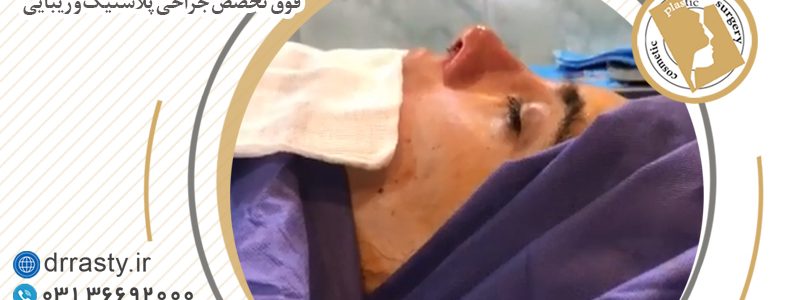
If the anemia is mild and the patient does not have a contraindication to anesthesia or surgery, yes, rhinoplasty may be performed.. In the operation of the nose (رینوپلاستی) The risk of excessive bleeding is relatively low. Therefore, it is very likely that you can undergo surgery. However, determining the level of anemia and your health is very important. See a plastic or otolaryngologist for a consultation and be prepared to discuss your anemia.

Treatment methods to help patients with anemia

Drugs that stimulate the production of red blood cells are approved to treat anemia before surgery, and these drugs reduce blood transfusions in anemic patients whose surgery causes a lot of blood loss.. These drugs work best when given several weeks before surgery, so identifying, evaluating, and treating anemia as soon as possible before surgery is critical.. Your doctor may also prescribe other treatments based on what is causing your anemia

There are also simple ways to stimulate hematopoiesis in the body. As:

  • Walk and do some gentle exercise
  • Eating foods rich in iron such as red meat
  • Taking vitamin C for more iron absorption
| Dr. Majid Rasti's Instagram page Of nose surgery |

Read more :

Complications of burning nasal vessels

Chewing gum after rhinoplasty

Causes of burning nasal vessels

Sample semi-fancy nose operation

Sample semi-fancy nose operation


This video shows the end of semi-fantasy rhinoplasty in the operating room.

دکتر مجید راستی

Specializes in plastic, cosmetic and reconstructive surgery

Member of the Board of the Iranian Society of Plastic and Aesthetic Surgeons

Head of Plastic Surgery Research and Treatment Center of Iran

Dr. Rasti's office address : Isfahan, at the end of Mardavij Street (Sheikh Klini), No. 21 North

Phone : ۳۶۶۹۲۰۰۰ – ۳۶۲۸۱۵۸۵ – ۳۶۲۸۱۵۸۶ ( 031 )

اینستاگرام : www.instagram.com/drmajidrasti

Complications of burning nasal vessels

Complications of burning nasal vessels

Evaluation of the effects of burning nasal vessels

The most common complication is spotting or partial bleeding. There will also be mild pain or discomfort that your doctor may prescribe painkillers to control. These side effects usually go away in a day or two. Otherwise, it may be necessary to repeat the nasal vein burn procedure. Other side effects, although rare, include a negative or allergic reaction to the anesthetic and infection..

Complications of burning nasal vessels | Of nose surgery

The method of burning the nasal vein should not be exaggerated

You need to remember to avoid over-burning your nasal arteries. Doing this method many times over a period of time will cause more damage. Burning of the nasal veins should be done with caution and should not be used every time a person has nosebleeds.. Nasal bleeding is easy to control. Bleeding can be controlled by placing a cold compress on the bridge of the nose. In many cases, sitting and bending forward or pressing the edge of the nose until the bleeding stops will be effective.. Doctors recommend that nasal vein burning should be done in one of the cavities and in separate sessions.. Frequent burning of the nasal vein or doing it in both cavities in one session can weaken the nose and create holes inside it.. These holes usually form in the nasal septum and will remain permanent after formation.. Holes in the nose lead to bleeding, sinus infections, decreased cold resistance, and respiratory problems..

| Dr. Majid Rasti's Instagram page Of nose surgery |

Read more :

Nasal polyp surgery

Chewing gum after rhinoplasty

Causes of burning nasal vessels

Causes of burning nasal vessels

Causes of burning nasal vessels

Causes of burning nasal vessels

Catheterization is a medical term that basically means to destroy or burn tissue. Causing is often used to close cuts, stop bleeding, and fight infection. If you have frequent nosebleeds, your doctor may suggest cauterizing an artery or vein in your nose. For this purpose, heat is applied to the bleeding site. Sudden heat causes the blood vessels to close and as a result the blood flow will stop. Since cauterization of the nasal vein takes only a few minutes, this procedure is performed in the doctor's office on an outpatient basis.. Dr. Majid Rasti Isfahan Rhinoplasty Surgeon.

Causes of nosebleeds

The anatomy of your nose is such that there is a constant flow of blood through it so that the air you breathe is warmed and moistened as it travels to the lungs.. Because of this abundant blood flow, the nose is a common site of bleeding. Nosebleeds are common among children and adolescents. In addition to age and genetics, nosebleeds may be caused by excessive dryness of the nasal membrane, trauma, or infection. Bleeding may also occur if you poke your nose or blow your nose hard. Likewise, strenuous exercise, sneezing, and coughing can cause nosebleeds.

Typically, this type of bleeding is caused by just one vein that is swollen in the wall of the nasal septum.. If nosebleeds occur occasionally, the person will often get better on their own without treatment. But if a person has frequent bleeding, the doctor may suggest cauterization of the nasal vein.

Causes of burning nasal vessels | Of nose surgery

The process of burning the nasal veins

Usually, the doctor heats a platinum needle with an electric current. After the needle is fully heated, it is inserted into the nasal cavity to close the tissue. Sometimes, doctors use silver nitrate or other caustic agents to cauterize the bleeding tissue. In general, this method is very easy and fast. The process of burning the nasal vein begins with the examination of the nasal cavity. The doctor must first identify where the bleeding is coming from in order to cauterize it. After that, the doctor may prescribe a blood test to determine the possibility of the patient suffering from anemia and the presence of anticoagulants..

Then local anesthesia is used to numb the nose. Finally, the doctor uses a hot needle to burn the nasal veins and thus connect them together. When this procedure is done correctly, the tear will heal and the bleeding will stop.

پس از جراحی

After the operation, the surgeon uses a special sponge such as Gelfoam or Serjisel to bandage the child's nose.. The surgeon also fills the inside of the nose with polysporin. The dressing and polysporin together protect the burned tissue inside the nose while it heals.. This dressing decomposes after three to five days.

Post-treatment care

You will not need any further treatment or medical care after a nasal vein cauterization. For the next seven to ten days, you should be very careful not to do anything that will cause the bleeding to start again. It will take about a week for the nasal cavity to heal, so you should make sure that there is no trauma to the nose from coughing, exercising, or other activities.. If the nose bleeds again, you should see a doctor for help. After this operation, you must follow the following measures to allow the necessary time for recovery after burning the nasal veins:

  • If possible, avoid blowing your nose and keep your mouth open when sneezing.
  • Do not use alcohol or tobacco for at least one week after burning the nasal vein.
  • Avoid lifting heavy objects or doing strenuous exercise for at least a week.
  • Use nasal drops to lubricate the inside of the nose and prevent it from drying out.

After burning the nasal vein, you may feel burning or pain for several days. You can control the pain by taking Tylenol or spraying saline solution inside the nose. After this operation, you should give your nose enough time to recover. Ideally, doctors would perform cauterization of the vein in only one nasal cavity in one session, and avoid doing this procedure too many times.. For this reason, you should take care of your nose so that you do not need to burn the nasal veins again in the future.

| Dr. Majid Rasti's Instagram page Of nose surgery |

Read more :

Nasal polyp surgery

Chewing gum after rhinoplasty

Is pediatric rhinoplasty allowed?

Is pediatric rhinoplasty allowed?

Is pediatric rhinoplasty allowed?

Is pediatric rhinoplasty allowed?

Rhinoplasty or nose surgery is a cosmetic procedure in which the appearance of the nose is changed. Rhinoplasty is not suitable for children before full puberty. Rhinoplasty is the most popular and common surgery among young people. Today, rhinoplasty has changed a lot compared to the last two decades. Most rhinoplasty operations were performed to remove parts of the nose, the cartilage and bone were cut, and the natural skin was retracted and the appearance of the nose became smaller.. In the past, too much cartilage and bone may have been removed, making the nose appear too small, overturned, or incomplete.. In some surgeries, the natural structure of the nose was also changed and caused breathing disorders for the person.

What are the results of rhinoplasty for children?

Rhinoplasty for children may be performed for::

  • Changing the shape and size of a large or asymmetrical nose (It is also called reduction rhinoplasty)
  • Correcting and restoring the shape of the nose
  • Removal of the bump and hump of the nose
  • Smoothing the curvature of the nose
  • Changing the angle between the nose and mouth
  • Correction of congenital defects or nasal problems that cause breathing disorders.
  • Correcting the structure of the nose or face that has been damaged by injuries or accidents
  • Correction and repair of a broken nose that was not welded properly and caused it to be asymmetrical.
  • Increasing the size of small noses or flat noses (It is also called highlighting rhinoplasty)

Is pediatric rhinoplasty allowed? | Of nose surgery

Depending on the patient's needs and expected results, the doctor may recommend other cosmetic surgeries such as chin implants along with rhinoplasty to improve facial balance and proportion.. In some cases, rhinoplasty may be performed simultaneously with other medical procedures such as nose correction (سپتوپلاستی) or operations that are performed to treat severe and recurring sinus diseases.

Is my child eligible for rhinoplasty?

با توجه به این که نیازهای افراد متفاوت است اما معمولاً رینوپلاستی برای کودکان دختر که حداقل 14 سال داشته باشند یا پسرهایی که حداقل 17 سال دارند انجام می‌شود. It is not recommended to perform rhinoplasty until the growth of the person's nose is complete.

What does rhinoplasty for children include?

Here is a summary of the expected results after rhinoplasty in children:

  • این عمل 2 تا 3 ساعت طول می‌کشد که به میزان پیچیدگی مورد بستگی دارد.
  • When this operation is performed together with other operations, the time to perform it increases.
  • The child will be unconscious during this procedure and will not feel pain or discomfort.
  • The child may experience swelling and bruising after the operation.
  • دوران بهبودی و بستری شدن ممکن است از 10 تا 14 روز طول بکشد اما با این حال بیشتر کودکان می‌توانند یک هفته پس از انجام عمل به مدرسه بازگردند.
  • Scars from the procedure are minor and appear on the nose or under the tip, which are difficult to see..
| Dr. Majid Rasti's Instagram page Of nose surgery |

Read more :

Nasal polyp surgery

Chewing gum after rhinoplasty

Anesthesia in rhinoplasty

Chewing gum after rhinoplasty

Chewing gum after rhinoplasty

Chewing gum after rhinoplasty

Do not chew gum. Do not chew gum. Do not chew gum. So avoid steak for a while and eat fish instead. So avoid steak for a while and eat fish instead. So avoid steak for a while and eat fish instead. This can help speed up your recovery. This can help speed up your recovery. Be with Isfahan nose surgeon.

Have a liquid diet in the first days and consume natural juices as much as possible. It is better to include foods such as soup, boiled potatoes, cooked vegetables in your diet. . Hard foods that put pressure on the jaw and face are harmful to the nose and it is recommended not to consume them in the first days. .

Chewing gum after rhinoplasty | Of nose surgery

After rhinoplasty, you should be more careful and avoid the type of factor that causes your nose to become irritated. Try not to eat spicy foods. Eat more fibrous foods and slice fruits and then chew gently . Eat more fibrous foods and slice fruits and then chew gently.

| Dr. Majid Rasti's Instagram page Of nose surgery |

Read more :

Nasal polyp surgery

Stages of rhinoplasty

Anesthesia in rhinoplasty

Nasal polyp surgery

Nasal polyp surgery

Nasal polyp surgery

علائم پولیپ بینی

Nasal polyp is a fleshy swelling in the inner lining of the nose and paranasal sinuses (Spaces filled with air, related to the nasal cavity) contract. In other words, they are non-cancerous growths of internal tissues. Polyps have different sizes; They may be yellow-brown or pink in color and shaped like drops. They eventually grow like grapes on a stalk in the nasal cavity.

Polyps may have grown in one or both nostrils at the same time. They can grow by themselves or in a cluster. Polyps or large clusters of masses can cause breathing problems and can affect the patient's sense of smell, they can also block the sinuses and cause problems such as nasal infections..

About 4 to 40 percent of the general population of a society suffer from nasal polyps, and men are 2 to 4 times more likely to suffer from nasal polyps than women, patients are usually young and middle-aged.. People with asthma, frequent sinus infections, and allergies are more likely to develop nasal polyps. Some children with cystic fibrosis may also develop nasal polyps.

Causes of nasal polyps

The exact cause of nasal polyps is not known, although a significant number of cases leading to polyps are related to non-allergic asthma, but in some cases, no signs of respiratory or allergic disorders have been found in patients.. Nasal polyps have nothing to do with colon or uterine polyps that are found in the digestive tract or uterus.
The exact mechanism of polyp formation is unknown, but many researchers believe that polyps are the result of swelling (inflammation) They are in the nose or sinuses (Swelling and inflammation of the nose or sinuses are not diseases)

Some experts believe that inflammation causes the accumulation of mucous fluids in the interstitial space (The space between the mucous cells) from the nose and sinuses and finally, the gravity of the fluids pulls these heavy cells down, which leads to the formation of polyps.. Scientists believe that the factors that cause polyps may be a bacterial or viral infection or an allergy and an immune response to a fungus by our body..
Nasal polyps are often found near the sinus opening (in the passage of the nose) However, they can form anywhere throughout the nasal passages or sinuses.

Nasal polyp surgery | Of nose surgery

درمان پولیپ بینی

The treatments that are commonly used for nasal polyps are as follows:

Steroids

The doctor may prescribe a steroid nasal spray or drop, which will shrink the polyp by reducing inflammation. This treatment is more common for patients who have one or more small polyps. The side effects of this treatment include sore throat, headache, and nosebleeds.

Steroid pills

In larger polyps or more severe inflammation, the doctor may. prescribe a steroid pill for the patient; this pill is taken alone or together with a nasal spray. Although steroid tablets are very effective in shrinking polyps. But there are risks of more serious side effects such as excessive weight gain, so it should be taken weekly.

Other drugs

Other medications may be used to treat conditions that make inflammation worse. These drugs include antihistamines that are used to treat allergies.. Antibiotics that are taken for bacterial infections and antifungal medications that are used to treat fungal allergies.

Nose surgery

Surgery is only used if the polyp is very large. Or if other treatment methods do not respond well to the patient's treatment.

Polypectomy operation

Polypectomy is the most common method to remove polyps. that the patient is given local or general anesthesia and a long, thin tube with a video camera is sent to the patient's nose and sinuses. After cutting the polyps using a micro telescope and surgical instruments. Sometimes, the nose surgeon may remove or remove a small piece of bone from the nose to open the nasal passage.
After polyp surgery, the patient may be prescribed a corticosteroid spray. that this spray from re-inflammation of polyps (Relapse) prevents. Some doctors use salt water to help recovery after surgery (Sterile washing serum) prescribe.

| Dr. Majid Rasti's Instagram page Of nose surgery |

Read more :

Fear of rhinoplasty

Stages of rhinoplasty

Anesthesia in rhinoplasty

Anesthesia in rhinoplasty

Anesthesia in rhinoplasty

Investigation of anesthesia in nose surgery

What type of anesthesia is used in nose surgery?

Rhinoplasty is one of the most popular cosmetic surgeries that many people do today. Whether you are looking to improve the appearance of your nose or want to perform a rhinoplasty to correct respiratory or sinus problems, this surgery can bring balance and beauty to your face and restore your health.. Before undergoing rhinoplasty, it is better to know about the types of anesthesia used in most plastic surgery procedures: General anesthesia and anesthesia with sedation, each of which has its own uses and characteristics.

Types of anesthesia for nose surgery (رینوپلاستی):

Anesthesia with injectable sedation

Another type of anesthesia is that it is usually done by intravenous injection of drugs prescribed by a specialist, which causes the person to fall asleep during surgery. .

Usually, along with that, local anesthesia is administered in the nose itself to minimize the pain.

The drugs and the level of anesthesia are adjusted in such a way that the patient can breathe on his own, and as a result, there is no need to put a tube in the airway..

This method is not suitable for long-term rhinoplasty, which takes several hours, because patients can become restless and experience muscle pain or bladder filling..

Place of execution :

Accredited hospital or surgical center.

Advantages:

No need for general anesthesia and respiratory intubation. Less nausea and vomiting, faster recovery time; Less chance of bleeding during rhinoplasty.

Cons :

In some parts of the operation, such as breaking the bones of the nose, this method may cause discomfort to the patient after the operation

Anesthesia in rhinoplasty | Of nose surgery

General anesthesia:

One of the types of anesthesia is this method, which means that the patient becomes completely unconscious. It requires placing a tube in the airway and breathing through an anesthetic machine.. General anesthesia has a much higher numbing and anesthetic power compared to its two previous types, and doctors usually use it for people who need to make major and more invasive changes..

In fact, in this type of anesthesia, the person completely loses consciousness and falls into a deep sleep.. In many ways, general anesthesia creates the most controlled situation possible during rhinoplasty. With breathing tubes, the anesthesiologist can prevent blood or fluids from leaking into the patient's airway.

Also, in this method, the specialist has complete monitoring and control over your breathing using a breathing machine. In addition, a deeper level of anesthesia can be set that can keep the blood pressure low to minimize bleeding, bruising and swelling. This method is used when the surgery requires more time and may take hours. takes.

Place of execution :

Accredited hospital or surgical center.

Advantages :

Painless method, more control over respiratory activities during surgery by an anesthesiologist, protection of airways by breathing tube..

Cons :

Long anesthesia period, nausea, feeling tired after regaining consciousness

بی حسی موضعی

Regardless of which type of anesthesia is chosen, rhinoplasty surgery is always performed under local anesthesia (Lidocaine mixed with epinephrine) It is done to numb the nose directly and reduce the amount of bleeding during surgery.

  • Anesthesia is needed to perform nose surgery so that the patient does not feel pain during the changes on the nose.
  • The type of anesthesia is determined according to the nose surgery method and the duration of the surgery.
  • For example, local anesthesia is used for surgery that requires less time .
  • General anesthesia is used when the surgery requires more time and may last for hours.
| Dr. Majid Rasti's Instagram page Of nose surgery |

Read more :

Fear of rhinoplasty

Stages of rhinoplasty

Rhinoplasty to treat respiratory problems

Fear of rhinoplasty

Fear of rhinoplasty

Fear of rhinoplasty

Fear and worry about the operating room is completely normal. And despite the great advances in anesthesia, surgery and its care, fear and concern about them has remained stable, but its intensity is different in different people.. Also, the fear of pain and complications after the operation is the biggest obstacle that discourages many from doing the operation. But the reality is this. Most of the patients after the operation are surprised by their high level of comfort during the recovery period and have a more pleasant experience than they expected.. In the following, we will examine the types of fear of nose surgery :

Fear of nose job pain

All those who have operated their nose. They spent days when they were afraid of nose surgery, bleeding, nasal tampons and anesthesia. And now all those who want to operate their nose. They face these fears. If we look realistically at nose surgery, it is possible like all surgeries. Bleeding, pain or even complications. But you should pay attention to the fact that there are subtle and important points about how to choose a doctor and surgery. which will help you a lot so that you can spend this time safely. And finally get the desired result and shape that you expect.

The pain of all patients is not the same and the intensity of the pain depends on the surgery. The time to resume activities depends on the patient's pain tolerance, and some patients start their activities much earlier than others. Plastic surgery, like any other operation, has its own recovery period, but it is shorter than you think and maybe more than it is afraid. For example, many patients can return to work in less than two weeks. But there is no need to worry because after any surgery, there is some discomfort, and pain relievers will be prescribed for all people who undergo surgery.. However, compared to many surgeries, rhinoplasty has the least amount of pain possible.

Fear of rhinoplasty | Of nose surgery
Fear of nose surgery anesthesia

If you are afraid of anesthesia, be careful that anesthesia is very easy in the operating room and takes less than a few minutes, most people who have undergone surgery say that they do not remember anything about nose surgery.. It is unlikely that the patient will not worry about anesthesia before surgery, but fortunately, the probability of complications for patients who have good general health is less than in the past.. In addition, there are effective drugs that reduce post-operative nausea and vomiting. However, it is necessary to consult an anesthesiologist before the operation and inform him of your medical history.

The possibility of death in anesthesia

Another concern of people when visiting is the possibility of death in unconsciousness. This possibility will not exist at all, considering the significant progress of medical science and the expertise of anesthesia specialists, it can be said that this possibility is close to zero.. As you know, all necessary tests before and during rhinoplasty are for this purpose. To determine the possibility or impossibility of unconsciousness in a person by carefully examining important matters. Be sure that if anesthesia causes the slightest damage and disturbance in the surgical process. or there is a danger for the person, the surgeon will note this point and prevent the nose surgery .

Fear of failure

Choosing an experienced and expert cosmetic surgeon in the field of cosmetic nose surgery minimizes the possibility of complications. However, a percentage of operations performed by the most skilled surgeons also require restoration. Complications rarely occur due to unexpected problems during recovery. Or that the patient is not satisfied with the result. Secondary reconstructive surgery is necessary in this situation.

Relieve anxiety before surgery

If your fear of surgery has reached such a level that it has disturbed your peace and prevented your positive thoughts. It's time to find ways to deal with it.
Relaxation methods such as acupuncture, massage, yoga, hypnosis and meditation are somewhat effective in treating some types of fear and anxiety.. Studies show that activities such as listening to relaxing music, reading a book, taking a bath, or even exercising can help reduce surgical anxiety.. You can also read articles and materials about your feelings and fears to help you find the root of your unhappiness.

You can talk to other patients who have the same fear and anxiety as you. Or talk to those who have found more satisfaction and life expectancy after any rhinoplasty, eyelid lift, breast prosthesis, body contouring and weight loss surgeries.. Consulting a therapist is also a very effective way to deal with any anxiety or fear. And it can make a big improvement in your mood. Counseling, especially when you have had a bad experience with surgery. It can be helpful. Finally, remember that emotional anxiety is temporary and that these bad and scary feelings and your physical reactions to fear will eventually pass.. Learn how to deal with your emotions sometimes.

Have a comprehensive plan for managing your anxiety

If you are not feeling well and anxious now, give yourself time. And wait until you are mentally prepared. One way to overcome your negative feelings is to think about the good results after the operation. How much younger and fresher you will be than before, how much more beautiful your nose will be, how much more fit your body will be..

You can also reduce your fears and anxieties. Make an appointment with your surgeon before the procedure. If the patient has any fear or concern about the procedure. It is better to postpone surgery until the person is well informed about the procedure and his fear disappears..

| Dr. Majid Rasti's Instagram page Of nose surgery |

Read more :

Definition of nasal abnormalities

Stages of rhinoplasty

Rhinoplasty to treat respiratory problems

Sample of nose surgery Dr. Majid Rasti

Sample of nose surgery Dr. Majid Rasti

Rhinoplasty sample of Dr. Majid Rasti, rhinosurgeon of Isfahan

An example of a completely natural nose at the end of the operation


Watch this video on Dr. Majid Rasti's camera

دکتر مجید راستی

Plastic surgery, reconstructive and burn

Born March 1964 in the beautiful city of Isfahan.

Diploma in 1983 and entering medical school, Tehran University the same year

1990 year entry period of general surgery, University of Isfahan

Input period 1378 plastic surgery hospital of Iran University of Medical Sciences,fa

Plastic surgery specialty course graduate of the year 2002

The Secretary of the Congress of plastic surgeons years 2011

A legal practitioner and expert medical system for 10 years in the field of plastic surgery offences review

Member of society of plastic surgeons and the beauty of Iran

Member of the American Society of plastic surgeons and aesthetic


Things to know before rhinoplasty

Rhinoplasty will not improve chronic sinusitis, allergies, dry nose, night snoring or nasal polyps..

✔ People with allergies may have their allergies worsen after surgery. People with severe allergies may not be suitable for surgery.

✔ People who undergo nose surgery are average 10 تا 15 A percentage of them may need a second manipulation, which we call restoration.

مسکن The use of analgesics and anti-inflammatory drugs is prohibited from two weeks before the operation because it causes coagulation disorders..


Doctor Majid Rasti ardakani

Plastic surgery, reconstructive and burn

Address: The end of Mardavij Street (Sheikh Klini), No. 21 North

Phone : ۳۶۶۹۲۰۰۰

Phone: ۳۶۲۸۱۵۸۵

Phone : ۳۶۲۸۱۵۸۶


| Dr. Majid Rasti's Instagram page Of nose surgery |